Why capsicum became a global favorite in food and farming
There is something unforgettable about a basket full of capsicums.
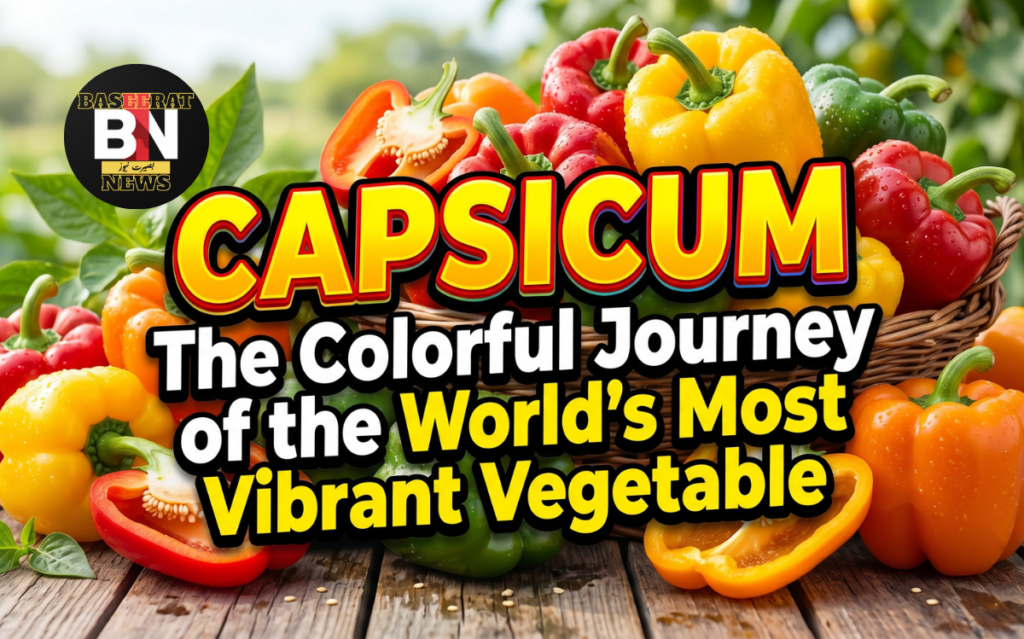
The bright red ones glow like lanterns under a market light. The green peppers look fresh from the rain. Yellow and orange capsicums sit quietly beside them, almost too beautiful to eat. In crowded vegetable markets from India to Mexico, from the farms of China to kitchens in Italy, capsicum has become one of the world’s most loved vegetables.
But few people stop to think about the journey behind those colorful peppers.
Capsicum carries the story of ancient civilizations, dangerous sea voyages, global trade routes, struggling farmers, modern science, and changing food cultures. Long before it became a pizza topping or part of a healthy salad, it grew wild in Central and South America, carefully cultivated by Indigenous communities who understood its flavor and power centuries before the modern world discovered it.
Today, capsicum is more than just a vegetable. It is a global agricultural industry, a nutritional powerhouse, and an important ingredient in countless dishes. It appears in street food stalls, luxury restaurants, homemade curries, fast-food chains, and health-conscious diets alike.
This is not merely the story of a vegetable.
It is the story of color, survival, trade, farming, health, and culture — a journey that crossed oceans and generations to become part of everyday life across the planet.
Introduction
Walk into almost any kitchen in the modern world, and you will probably find capsicum somewhere nearby.
Maybe it rests quietly in the refrigerator drawer beside tomatoes and onions. Maybe it has already been chopped into thin slices for a sizzling stir-fry. In some homes, it becomes part of spicy curries. In others, it is stuffed with rice, grilled over charcoal, or tossed into fresh salads.
What makes capsicum remarkable is not only its taste but its universal presence. Very few vegetables have traveled across continents and adapted to so many cultures as successfully as this one.
Capsicum belongs to the genus Capsicum, part of the nightshade family that also includes tomatoes, potatoes, and eggplants. Depending on the region, it may be called bell pepper, sweet pepper, shimla mirch, paprika pepper, or simply pepper. Though many people think all peppers are spicy, capsicum varieties are usually mild and sweet, especially the colorful bell peppers commonly found in supermarkets.
Its journey began thousands of years ago in the Americas. Archaeologists believe ancient communities in parts of present-day Peru and Bolivia cultivated early pepper varieties long before European explorers arrived. These peppers were valued not only as food but also for medicine and preservation.
Then came the age of exploration.
When European traders reached the Americas during the late 15th century, they encountered capsicum for the first time. Fascinated by its flavor and ease of cultivation, they carried seeds across oceans. Within decades, peppers spread rapidly through Europe, Asia, Africa, and the Middle East.
What happened next was extraordinary.
Different climates produced different varieties. Farmers experimented with colors, sizes, sweetness, and heat levels. Over time, capsicum evolved into hundreds of forms — from giant sweet bell peppers to fiery chilies that became central to entire cuisines.
Today, capsicum farming is a massive global business. Countries such as China, India, Turkey, and Mexico produce millions of tons annually. Greenhouses, hydroponic systems, and advanced farming technologies now help grow peppers year-round.
At the same time, capsicum has become deeply connected to health trends. Rich in vitamins, antioxidants, and dietary fiber, it is often recommended in balanced diets. Nutritionists praise it for supporting immunity, heart health, skin care, and digestion.
Yet behind the colorful supermarket displays lies another reality.
Farmers face climate change, water shortages, pests, unstable prices, and rising production costs. Many agricultural communities work tirelessly to protect crops that are increasingly vulnerable to extreme weather.
The story of capsicum is therefore both beautiful and complex. It reflects human migration, scientific progress, culinary creativity, and agricultural struggle.
And perhaps that is why this vegetable feels so alive in human history.
Because capsicum is not just grown.
It travels. It adapts. It survives.
What Is Capsicum?
Capsicum is a flowering plant from the nightshade family, scientifically known as Solanaceae. The vegetable commonly called capsicum usually refers to sweet peppers or bell peppers that come in green, red, yellow, and orange colors.
Unlike hot chilies, sweet capsicums contain very little capsaicin — the compound responsible for heat. This makes them mild, crunchy, and suitable for a wide range of dishes.
Interestingly, all colorful bell peppers begin as green peppers. As they ripen, their color changes depending on the variety. Red peppers become sweeter because they remain on the plant longer, allowing natural sugars to develop.
Capsicum plants grow best in warm climates with good sunlight and fertile soil. Farmers usually cultivate them in fields, tunnels, or greenhouses where temperature and moisture can be controlled carefully.
The vegetable is widely consumed raw or cooked. It appears in salads, soups, pizzas, curries, pasta, grilled dishes, sandwiches, and pickles. In many cultures, it adds both color and freshness to meals.
Quick Timeline of Capsicum History
| Period | Event |
| Around 6000 BCE | Early pepper cultivation in the Americas |
| 1493 | European explorers carried peppers to Europe |
| 16th Century | Capsicum spreads to Asia and Africa |
| 17th Century | Peppers become common in global cuisines |
| 20th Century | Commercial greenhouse farming expands |
| Modern Era | Capsicum becomes a major international crop |
History of Capsicum
The history of capsicum begins long before supermarkets and modern farms existed.
Thousands of years ago, Indigenous communities in Central and South America cultivated early pepper plants as part of daily life. Archaeological evidence suggests peppers were domesticated more than 6,000 years ago, making them one of the oldest cultivated crops in the Americas.
For ancient societies, peppers were not simply ingredients. They were valuable resources used in cooking, medicine, rituals, and preservation. Communities understood which varieties were mild and which were intensely hot. Generations passed down farming knowledge carefully.
Then history changed forever in 1492.
When Christopher Columbus reached the Americas during his voyages, European traders encountered capsicum for the first time. Searching for black pepper spices, explorers mistakenly associated these colorful fruits with peppercorns, leading to the name “pepper.”
Soon, Portuguese and Spanish traders began transporting pepper seeds across international trade routes.
The spread was astonishingly fast.
In warm climates, capsicum adapted easily. Farmers in India quickly embraced peppers because they thrived in local conditions. Within decades, chilies and capsicums became deeply woven into South Asian cuisine.
The same transformation happened across Thailand, China, and parts of Africa.
What makes capsicum history fascinating is how rapidly it became “traditional” in many cultures. Foods now considered incomplete without peppers actually existed without them for centuries.
Italian cuisine evolved with peppers. Hungarian paprika emerged from dried capsicum varieties. Asian curries became richer and spicier through chili cultivation.
By the 19th and 20th centuries, selective breeding created the sweet bell peppers commonly eaten today. Farmers focused on size, sweetness, color, shelf life, and disease resistance.
Greenhouse farming later revolutionized production. Countries with colder climates could now cultivate capsicums year-round using temperature-controlled systems.
Today, capsicum exists almost everywhere humans live.
Its history reflects exploration, migration, trade, and adaptation — proof that food often travels farther than armies or empires.
Types of Capsicum Around the World
Capsicum comes in hundreds of varieties, each shaped by geography, climate, and culinary tradition.
Bell Peppers
Bell peppers are the most recognizable type. They are large, sweet, crunchy, and available in green, red, yellow, and orange colors.
Red bell peppers are sweeter because they ripen longer. Green peppers have a slightly bitter flavor.
Chili Peppers
These include hot varieties such as jalapeños, cayenne peppers, and bird’s eye chilies. They contain more capsaicin and are widely used in spicy cuisines.
Paprika Peppers
Paprika varieties are dried and ground into spice powder, especially popular in Hungary and parts of Europe.
Poblano Peppers
Common in Mexican cooking, poblano peppers are mildly spicy and often stuffed with cheese or meat.
Banana Peppers
These are long yellow peppers with a mild, tangy flavor, often used in sandwiches and pickles.
Shishito Peppers
Popular in Japan, shishito peppers are small and usually mild, though occasionally one can be surprisingly hot.
How Capsicum Is Grown
Growing capsicum requires patience, climate management, and constant care.
Farmers usually begin with seeds planted in nursery trays. Young seedlings are protected carefully during their early stages because they are sensitive to temperature changes.
Once the plants grow stronger, they are transplanted into fields or greenhouse systems.
Capsicum prefers warm temperatures between 20°C and 30°C. Too much cold can damage flowering, while extreme heat may reduce fruit quality.
Farmers must maintain balanced irrigation. Excess water can cause root diseases, while dry conditions reduce production.
Pollination plays a critical role during flowering. Bees and natural insects often help increase yield.
Modern greenhouse farming has transformed capsicum agriculture dramatically. Greenhouses allow controlled environments where farmers regulate temperature, humidity, light, and pests.
Hydroponic farming — growing plants without soil — is also becoming increasingly popular. In these systems, nutrient-rich water directly feeds plant roots.
Harvesting usually begins several weeks after flowering. Green peppers are harvested earlier, while red, yellow, and orange varieties stay longer on the plant to ripen fully.
After harvest, peppers are cleaned, sorted, packed, and transported to markets worldwide.
Behind every shiny supermarket pepper lies months of labor, uncertainty, and agricultural expertise.
Nutritional Value of Capsicum
Capsicum is often described as one of nature’s healthiest vegetables.
It contains vitamins, antioxidants, minerals, dietary fiber, and plant compounds that support overall health.
Key Nutrients in Capsicum
| Nutrient | Benefit |
| Vitamin C | Supports immunity |
| Vitamin A | Good for eyesight |
| Fiber | Improves digestion |
| Potassium | Supports heart health |
| Antioxidants | Protect cells |
| Vitamin B6 | Helps brain function |
Red capsicums are especially rich in Vitamin C — sometimes even more than oranges.
The vegetable is also low in calories, making it ideal for healthy diets and weight management plans.
Antioxidants like beta-carotene and lutein help protect cells from oxidative stress. These compounds are associated with eye health and reduced inflammation.
Because capsicum contains high water content, it also contributes to hydration.
Nutritionists frequently recommend colorful vegetables because different pigments contain different beneficial compounds. Red, yellow, and orange peppers each provide unique nutritional profiles.
Health Benefits of Capsicum
Capsicum is not just visually attractive.
It is deeply connected to human health and wellness.
Boosts Immunity
One of the biggest strengths of capsicum is its Vitamin C content. This vitamin supports immune defense and helps the body fight infections.
Regular consumption may support faster healing and stronger resistance during seasonal illnesses.
Supports Eye Health
Capsicum contains carotenoids such as lutein and zeaxanthin. These compounds help protect eyes from age-related damage and support healthy vision.
Yellow and orange peppers are particularly rich in these nutrients.
Helps Heart Health
The fiber, antioxidants, and potassium in capsicum may contribute to cardiovascular wellness.
Healthy diets rich in vegetables are often associated with lower risks of heart disease and high blood pressure.
Supports Weight Management
Capsicum is low in calories but filling due to its fiber and water content.
This makes it useful for people trying to maintain balanced eating habits without excessive calorie intake.
Rich in Antioxidants
Antioxidants help reduce oxidative stress caused by free radicals in the body.
Researchers continue studying how plant-rich diets contribute to long-term health and disease prevention.
Good for Skin
Vitamin C plays a major role in collagen production, which supports healthy skin.
Bright peppers, therefore, contribute not only to nutrition but also to skin maintenance and repair.
Supports Digestion
Dietary fiber helps digestion and promotes healthy bowel function.
Many nutrition experts recommend increasing vegetable intake to improve digestive wellness naturally.
Anti-Inflammatory Properties
Certain compounds in peppers may help reduce inflammation in the body.
Scientists continue exploring how plant-based foods influence inflammatory conditions.
May Support Brain Health
Vitamin B6 and antioxidants contribute to nervous system function and overall brain wellness.
Balanced diets rich in vegetables are increasingly linked with cognitive support.
Encourages Healthy Eating Habits
Perhaps one underrated benefit of capsicum is psychological.
Its colors make meals visually attractive. Bright food often encourages people — especially children — to consume more vegetables.
Food is as emotional as it is nutritional.
And capsicum brings life to the plate.
Capsicum in Global Cuisine
Few vegetables travel through cuisines as naturally as capsicum.
In India, capsicum appears in spicy curries, stuffed dishes, and stir-fried street foods.
In Italy, roasted peppers become part of pasta sauces and pizzas.
Mexican cuisine uses peppers in tacos, fajitas, salsa, and stuffed dishes.
Chinese stir-fries frequently combine peppers with soy sauce, garlic, and meat.
Mediterranean cooking often grills peppers with olive oil and herbs.
In Middle Eastern cuisine, peppers appear in rice dishes, kebabs, and salads.
This global adaptability explains why capsicum became universal so quickly. It complements meat, rice, bread, noodles, cheese, and vegetables equally well.
Interesting Facts About Capsicum
Capsicum Is Technically a Fruit
Botanically, peppers are fruits because they develop from flowering plants and contain seeds.
Green Peppers Are Unripe
Most colorful bell peppers begin green before turning red, yellow, or orange.
Birds Cannot Feel Pepper Heat
Unlike mammals, birds are largely unaffected by capsaicin.
Capsicum Spreads Faster Than Many Crops
Within a century of European exploration, peppers reached large parts of Asia and Africa.
Different Colors Have Different Nutrients
Red peppers contain more beta-carotene, while green peppers contain slightly fewer sugars.
Some Pepper Plants Live for Years
In warm climates, certain pepper plants can continue producing for multiple seasons.
Problems Farmers Face
Behind the bright colors of capsicum lies a difficult agricultural reality.
Farmers face many challenges that threaten production and income.
Climate Change
Extreme heat, unpredictable rainfall, floods, and droughts affect crop quality and yield.
Pest Attacks
Insects, fungal diseases, and viruses can destroy entire fields quickly if not controlled.
Water Shortages
Capsicum farming requires reliable irrigation. In many regions, water scarcity has become severe.
Market Price Fluctuations
Farmers often struggle with unstable prices. Oversupply can suddenly reduce profits.
Rising Costs
Fertilizers, greenhouse materials, transportation, and labor costs continue increasing globally.
Despite these obstacles, farmers continue cultivating capsicum because demand remains high worldwide.
Capsicum in the Modern Food Industry
Modern food industries rely heavily on capsicum.
Fast-food chains use peppers in pizzas, burgers, wraps, and salads. Frozen food companies package sliced peppers for convenience.
Paprika powder has become an important spice industry product.
Food processing companies also use capsicum in sauces, canned foods, snacks, and seasoning blends.
Greenhouse technology now allows year-round commercial production in many countries. Supermarkets can therefore offer fresh peppers during almost every season.
The rise of healthy eating trends has further increased global demand.
Consumers increasingly seek colorful vegetables associated with freshness and nutrition.
Future of Capsicum Farming
The future of capsicum farming will likely depend on technology and sustainability.
Scientists are developing disease-resistant varieties that can survive changing climates.
Hydroponic and vertical farming systems may become more common in cities where farmland is limited.
Artificial intelligence and smart irrigation systems already help farmers monitor soil moisture, temperature, and plant health more accurately.
At the same time, organic farming continues to gain popularity as consumers demand pesticide-free produce.
However, climate challenges remain serious.
The future of capsicum farming will require balancing productivity, environmental protection, and farmer livelihoods carefully.
Conclusion
Capsicum is far more than a colorful ingredient resting quietly in kitchens around the world.
Its story stretches across ancient civilizations, ocean trade routes, farming revolutions, and modern health movements. From Indigenous farmers in the Americas to greenhouse growers using advanced technology today, generations of people have shaped the journey of this remarkable plant.
What makes capsicum special is its ability to belong everywhere.
It fits naturally into spicy curries, Mediterranean grills, Mexican street food, Chinese stir-fries, and fresh Western salads. Few vegetables adapt so effortlessly to human culture.
Yet the beauty of capsicum is not only culinary.
Its vibrant colors represent nutrition, freshness, and life itself. Red, yellow, green, and orange peppers bring emotional warmth to meals. They remind people that food can nourish both body and memory.
Behind every harvested pepper stands a farmer dealing with uncertain weather, pests, financial risks, and changing agricultural systems. Modern consumers often see polished vegetables in stores without realizing the effort required to grow them successfully.
The future of capsicum farming will depend on innovation, sustainability, and global cooperation. Climate change is already reshaping agriculture, forcing farmers and scientists to rethink how crops are cultivated.
Still, capsicum continues to survive — just as it has for thousands of years.
Perhaps that is why this vegetable feels timeless.
Because its journey mirrors humanity itself:
migration,
adaptation,
creativity,
and resilience.
The next time a capsicum is sliced into a salad or roasted over fire, it may seem ordinary.
But hidden inside that colorful vegetable is a story that crossed continents and centuries before reaching the plate.
And that story is still growing.
FAQs About Capsicum
1. What is capsicum?
Capsicum is a type of pepper plant commonly known as bell pepper or sweet pepper.
2. Is capsicum a fruit or a vegetable?
Botanically, it is a fruit.
3. Why are capsicums different colors?
Different colors represent different stages of ripening.
4. Which capsicum is sweetest?
Red capsicum is usually the sweetest.
5. Is capsicum healthy?
Yes, it is rich in vitamins and antioxidants.
6. Can capsicum help immunity?
Vitamin C supports immune health.
7. Is green capsicum unripe?
Yes, most bell peppers begin green.
8. Where did capsicum originate?
It originated in the Americas.
9. Which country produces the most capsicum?
China is among the largest producers.
10. Is capsicum spicy?
Sweet capsicums are usually mild.
11. Can capsicum be eaten raw?
Yes, it is commonly eaten raw.
12. How long does capsicum take to grow?
Usually, several weeks after transplanting.
13. Does capsicum need a lot of water?
It needs balanced irrigation.
14. Can capsicum grow in pots?
Yes, many people grow it at home.
15. What nutrients are in capsicum?
Vitamin C, Vitamin A, fiber, and antioxidants.
16. Is capsicum good for weight loss?
It is low in calories and filling.
17. Why is paprika made from peppers?
Certain capsicum varieties dry well for spice production.
18. Can capsicum grow in winter?
Greenhouse farming allows winter production.
19. Are all peppers capsicum?
Most peppers belong to the Capsicum genus.
20. Why is capsicum important globally?
It supports farming, nutrition, and food industries.
21. Is yellow capsicum healthier than green?
Different colors offer different nutrients.
22. Can capsicum improve eyesight?
It contains nutrients beneficial for eye health.
23. What is capsaicin?
It is the compound responsible for pepper heat.
24. Why do farmers use greenhouses?
To control growing conditions.
25. Is capsicum popular worldwide?
Yes, it is used globally in many cuisines.
——————————————————————————————
Garlic Health Benefits must click and read the link below
https://baseeratnews.com/garlic-benefits-youll-love/