Parrot Explained: Nature’s Most Intelligent Birds
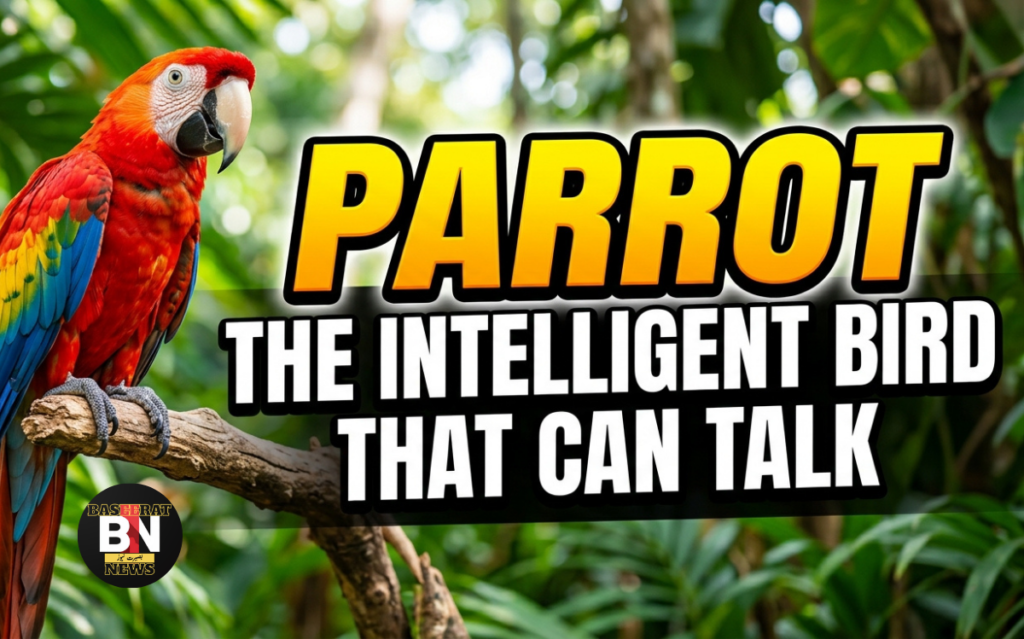
Imagine walking through a tropical rainforest when a bright green bird suddenly calls out with a voice that sounds surprisingly human. You stop, look around, and realize the speaker is not a person at all—it’s a parrot.
Parrots are among the most fascinating birds on Earth. Their brilliant colors, remarkable intelligence, and ability to mimic sounds have captivated humans for centuries. Scientists have discovered that some parrots can understand concepts, solve puzzles, and even learn words in ways once thought possible only for primates.
There are more than 400 species of parrots distributed across tropical and subtropical regions worldwide. These birds play important roles in ecosystems by dispersing seeds and helping forests regenerate.
But parrots are much more than colorful birds. They are highly social animals with complex communication systems, strong family bonds, and impressive problem-solving abilities. Their intelligence has made them popular pets, yet many wild populations face serious threats from habitat destruction and illegal wildlife trade.
In this comprehensive guide, you’ll discover everything about parrots—from their origins and evolution to their behavior, diet, reproduction, conservation challenges, and the latest scientific discoveries.
Quick Facts Table
| Fact | Details |
| Scientific Order | Psittaciformes |
| Common Name | Parrot |
| Number of Species | Over 400 |
| Origin | Tropical and Subtropical Regions |
| Habitat | Rainforests, Woodlands, Savannas |
| Size | 8 cm to 1 meter |
| Weight | 10 g to 1.5 kg |
| Lifespan | 10–80+ Years |
| Diet | Fruits, Seeds, Nuts, Flowers, Insects |
| Key Feature | High Intelligence and Vocal Mimicry |
What Is a Parrot?
A parrot is a bird belonging to the order Psittaciformes. These birds are recognized by their curved beaks, strong feet, colorful feathers, and exceptional intelligence.
Parrots are divided into several families, including true parrots, cockatoos, and New Zealand parrots. They inhabit a wide range of environments, from dense Amazonian rainforests to Australian grasslands.
One characteristic that distinguishes parrots from most other birds is their zygodactyl feet—two toes point forward and two backward. This arrangement allows them to grasp branches and manipulate objects with remarkable precision.
Parrots are also famous for their vocal abilities. While not all species mimic human speech, many can imitate sounds from their surroundings. This ability stems from specialized brain structures associated with learning and communication.
Today, parrots remain important ecological contributors and are among the most studied bird groups in behavioral science.
History and Origins
Parrots have an evolutionary history stretching back tens of millions of years.
Fossil evidence suggests that the ancestors of modern parrots existed approximately 50–60 million years ago. Researchers believe early parrots evolved shortly after the extinction of the dinosaurs.
Ancient civilizations were fascinated by parrots. Historical records from India, China, and South America mention these birds thousands of years ago. Traders often transported parrots across continents because of their beauty and ability to mimic sounds.
By the Roman era, parrots were considered luxury animals. Wealthy citizens kept them as symbols of status and intelligence.
Modern genetic research has revealed surprising relationships among parrot species. Studies suggest that Australia may have played a major role in parrot evolution before birds spread throughout tropical regions worldwide.
Today, parrots represent one of the most diverse groups of birds, with species adapted to many different ecological niches.
Physical Characteristics and Main Features
Parrots are instantly recognizable due to several distinctive physical features.
Curved Beak
Their powerful hooked beak functions like a built-in tool. It allows them to crack hard nuts, peel fruits, climb trees, and manipulate objects.
Bright Plumage
Many parrots display vivid colors, including green, blue, red, yellow, and orange. These colors help with species recognition and courtship.
Strong Feet
Their specialized feet allow them to grip branches securely and even hold food while eating.
Advanced Brain
Parrots possess large brains relative to body size. Research has shown that some species rival great apes in certain cognitive tasks.
Exceptional Vision
Parrots can detect ultraviolet light and perceive colors beyond human capability.
Vocal System
Unlike humans, parrots produce sounds using a structure called the syrinx. This organ enables remarkable vocal flexibility.
Some species, such as macaws, can reach nearly one meter in length, while pygmy parrots measure only a few centimeters.
Habitat, Environment, and Geographic Range
Parrots primarily inhabit tropical and subtropical regions.
Major populations occur in:
- South America
- Central America
- Australia
- Southeast Asia
- Africa
- Pacific Islands
Rainforests support the highest diversity of parrot species because they provide abundant food and nesting opportunities.
Some parrots occupy dry savannas, mountainous forests, mangroves, and even urban environments.
Ecologically, parrots are important seed dispersers. By carrying seeds away from parent plants, they help maintain healthy forest ecosystems.
Behavior and Lifestyle
Parrots are among the most social birds in the world.
Many species live in flocks ranging from a few individuals to hundreds of birds. Living in groups protects predators and increases foraging success.
Communication
Parrots communicate through:
- Calls
- Whistles
- Body language
- Feather displays
- Vocal mimicry
Intelligence
Researchers have documented parrots solving puzzles, recognizing shapes, understanding numbers, and using tools.
Daily Activities
A typical day includes:
- Feeding
- Grooming
- Social interaction
- Flying
- Resting
Parrots spend significant time preening feathers to maintain insulation and flight efficiency.
Strong pair bonds are common. Some species remain with the same mate for many years.
Diet and Feeding Habits
Parrots are generally omnivorous but rely heavily on plant material.
Their diet often includes:
- Seeds
- Fruits
- Nuts
- Flowers
- Nectar
- Leaves
- Insects
Powerful beaks allow them to access foods unavailable to many other animals.
Macaws in the Amazon sometimes consume clay from riverbanks. Scientists believe this behavior helps neutralize toxins found in certain plants.
Parrots play a critical role in food webs by dispersing seeds and influencing plant distribution.
Reproduction and Life Cycle
Parrot breeding strategies vary among species.
Courtship
Males often perform:
- Vocal displays
- Feather exhibitions
- Food offerings
- Dancing behaviors
Nesting
Most parrots nest in tree cavities, though some use cliffs or ground burrows.
Eggs
Females typically lay between 2 and 8 eggs, depending on species.
Incubation
Eggs hatch after approximately 18–35 days.
Chick Development
Newly hatched chicks are blind and largely helpless. Parents provide intensive care and feeding.
Lifespan
Parrots are famous for longevity.
Typical lifespans:
- Small parrots: 10–20 years
- Medium parrots: 20–40 years
- Large parrots: 50–80+ years
Some captive individuals have exceeded 90 years.
Latest Research and Scientific Discoveries
Recent research continues to reveal astonishing aspects of parrot intelligence.
Scientists have found that some parrots possess cognitive abilities comparable to those of young human children in specific tasks involving problem-solving and object permanence.
Studies conducted in the last few years indicate that parrots may learn socially by observing others rather than solely through trial and error.
Researchers have also investigated how parrots process language-like information. Although parrots do not understand language exactly as humans do, certain species can associate words with objects, colors, and actions.
Advanced brain imaging has revealed specialized neural pathways linked to learning and vocal imitation.
Conservation scientists are increasingly using satellite tracking and genetic analysis to monitor wild populations and develop more effective protection strategies.
New findings suggest habitat connectivity is essential for maintaining healthy parrot populations as climate patterns continue changing globally.
25 Fascinating Facts About Parrots
- There are over 400 parrot species.
- Not all parrots can mimic human speech.
- The African Grey is considered one of the smartest birds.
- Parrots use their beaks like a third foot.
- Some parrots live over 80 years.
- Macaws can crack very hard nuts.
- Parrots see ultraviolet light.
- Many species form lifelong bonds.
- Cockatoos belong to the parrot group.
- Parrots can solve puzzles.
- They have excellent memory.
- Most species nest in cavities.
- New Zealand has unique flightless parrots.
- Parrots groom each other socially.
- Some species migrate seasonally.
- Their tongues help manipulate food.
- Wild parrots often travel long distances.
- Many species are endangered.
- They can distinguish shapes and colors.
- Some learn hundreds of sounds.
- They communicate with unique calls.
- Certain parrots use tools.
- Their brains are unusually large for birds.
- Fossil ancestors lived millions of years ago.
- They help forests regenerate through seed dispersal.
Importance to Humans and Nature
Parrots contribute significantly to ecosystem health.
By dispersing seeds, they help forests recover and maintain biodiversity.
Economically, parrots support ecotourism industries in many countries.
Culturally, parrots appear in folklore, art, literature, and religious traditions worldwide.
Scientifically, parrots help researchers understand intelligence, communication, and learning processes in animals.
Threats and Challenges
Parrots face numerous threats.
Habitat Loss
Deforestation remains the greatest challenge for many species.
Illegal Wildlife Trade
Millions of parrots have been captured for the pet trade throughout history.
Climate Change
Changing weather patterns can affect food availability and breeding success.
Invasive Species
Introduced predators often threaten nesting birds.
Disease
Emerging diseases can impact both captive and wild populations.
Several parrot species are now critically endangered.
Conservation and Future Outlook
Governments, conservation groups, and local communities are working to protect parrots.
Key strategies include:
- Habitat restoration
- Anti-poaching enforcement
- Captive breeding programs
- Community education
- Protected areas
Many conservation projects have successfully increased populations of endangered species.
The future of parrots depends largely on habitat protection and sustainable management practices.
Common Myths and Misconceptions
Myth #1: All parrots talk.
Reality: Many parrots never mimic human speech.
Myth #2: Parrots only eat seeds.
Reality: Most require diverse diets including fruits, nuts, and vegetation.
Myth #3: Parrots are low-maintenance pets.
Reality: They require extensive mental stimulation and care.
Myth #4: All parrots are tropical rainforest birds.
Reality: Some live in dry woodlands and grasslands.
Myth #5: Small parrots have short lifespans.
Reality: Even small species can live for decades.
Frequently Asked Questions (FAQs)
1. What is a parrot?
A bird belonging to the order Psittaciformes.
2. How many parrot species exist?
More than 400 species.
3. Where do parrots live?
Mostly in tropical and subtropical regions.
4. Are parrots intelligent?
Yes, they are among the smartest birds.
5. Can all parrots talk?
No.
6. What do parrots eat?
Seeds, fruits, nuts, flowers, and insects.
7. How long do parrots live?
10–80+ years depending on species.
8. What is the smartest parrot?
African Grey Parrots are often considered among the smartest.
9. Are parrots endangered?
Some species are endangered.
10. Why are parrots colorful?
For communication and species recognition.
11. Do parrots migrate?
Some species do.
12. How do parrots communicate?
Through calls, whistles, and body language.
13. What is a parrot’s strongest tool?
Its beak.
14. Can parrots recognize people?
Many can.
15. Do parrots use tools?
Some species do.
16. What predators hunt parrots?
Raptors, snakes, and mammals.
17. Why do parrots mimic sounds?
As part of social communication.
18. Are parrots social?
Highly social.
19. What is the largest parrot?
The Hyacinth Macaw.
20. What is the smallest parrot?
The Pygmy Parrot.
21. Do parrots sleep during the day?
Usually, they are active during daylight.
22. Can parrots learn words?
Yes, some species can.
23. Are parrots important to forests?
Very important as seed dispersers.
24. How do parrots reproduce?
By laying eggs.
25. Can parrots live in cities?
Some species adapt well to urban areas.
26. Why are parrots threatened?
Habitat destruction and illegal trade.
27. What role do parrots play in ecosystems?
Seed dispersal and biodiversity support.
28. Do parrots form families?
Yes, many species have strong family bonds.
29. How fast can parrots fly?
Some exceed 50 km/h.
30. What makes parrots unique?
Their intelligence, colors, and vocal abilities.
Conclusion
Parrots are far more than colorful birds that mimic human voices. They represent one of nature’s most remarkable examples of intelligence, adaptability, and social complexity. From the rainforests of South America to the woodlands of Australia, these birds have evolved extraordinary abilities that continue to fascinate scientists and bird lovers alike.
Their powerful beaks, vibrant plumage, advanced cognitive skills, and strong social bonds make them unique among birds. At the same time, parrots perform essential ecological roles by dispersing seeds and supporting healthy ecosystems.
Yet many species face growing challenges from habitat destruction, climate change, and illegal wildlife trade. Conservation efforts around the world are helping protect these extraordinary birds, but continued action remains critical.
Whether admired in the wild or studied in research centers, parrots remind us that intelligence and communication are not uniquely human traits. Their story is one of beauty, resilience, and survival—a story that continues to unfold as science reveals more about these extraordinary birds every year.
Click the link below for more …..
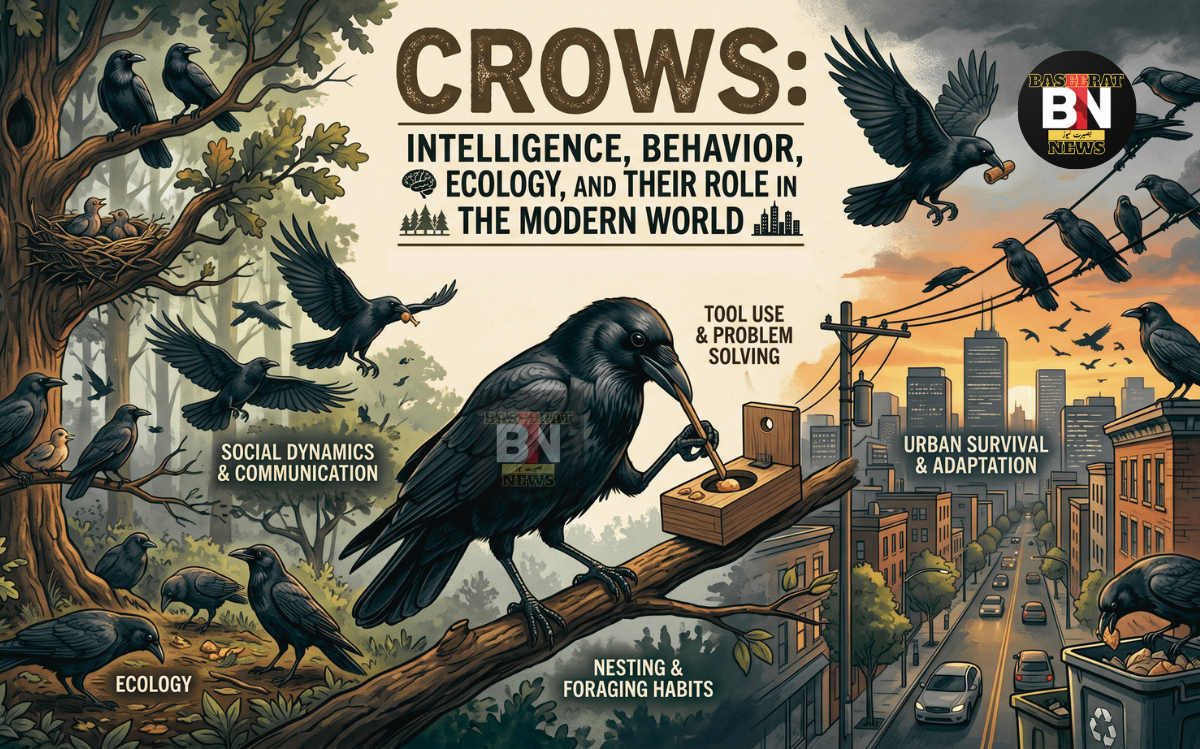
https://baseeratnews.com/crows-intelligence-behavior-ecology-and-their-role-in-the-modern-world/