The Ultimate 2026 Guide to Staying Fit Without Spending Hours in the Gym
The Modern Fitness Crisis
The alarm rings at 6:30 AM.
Emails already wait on the phone screen. Meetings begin early. Traffic steals another hour. By evening, exhaustion wins. The gym bag stays untouched near the door.
For millions of people around the world, fitness has become trapped between ambition and reality.
Modern life moves fast. Work deadlines, parenting, studies, side hustles, and digital overload leave little room for hour-long gym sessions. Yet at the same time, people are more aware than ever of the dangers of inactivity. Rising stress levels, obesity, heart disease, poor sleep, and mental fatigue have pushed health into global conversation.
That is exactly why home workouts exploded in popularity during the 2020s.
What began as a temporary solution evolved into a permanent lifestyle shift. By 2026, research increasingly shows that short, consistent home workouts may be more sustainable than extreme fitness programs. Experts now argue that daily movement matters more than perfection.
The idea is surprisingly simple:
You do not need two hours.
You need consistency.
A 10-minute HIIT session before breakfast.
A quick yoga routine after work.
A bodyweight workout during lunch break.
These small moments accumulate into powerful long-term health benefits.
Recent studies published in 2025 and 2026 found that even short bursts of movement improve cardiovascular health, metabolism, mood, energy levels, and focus. Fitness is no longer about becoming an athlete. It is about surviving modern life with strength, mobility, and mental clarity.
This article explores the best home workouts for busy people, practical weekly routines, fitness science, mistakes to avoid, nutrition advice, motivation strategies, and realistic solutions that fit into actual schedules.
Because fitness should adapt to your life — not destroy it.
Introduction: Why Home Workouts Are Dominating in 2026
There was a time when fitness culture revolved around massive gyms, expensive memberships, and complicated machines. Success was measured by hours spent lifting weights or running on treadmills.
But modern research changed that narrative.
Scientists began noticing something important: many people quit fitness programs not because workouts were ineffective, but because they were unrealistic.
Long commutes to gyms.
Overcrowded schedules.
Mental burnout.
Financial limitations.
Family responsibilities.
The problem was not motivation alone. The problem was sustainability.
Home workouts solved that challenge.
Today, fitness experts recommend “exercise snacking,” a concept where short bursts of movement throughout the day produce measurable health improvements. Even 5–20 minutes of exercise can improve blood circulation, insulin sensitivity, brain function, and stress reduction.
Busy people especially benefit from this approach because it removes major barriers:
- No travel time
- No expensive equipment
- No waiting for machines
- No social pressure
- No complicated scheduling
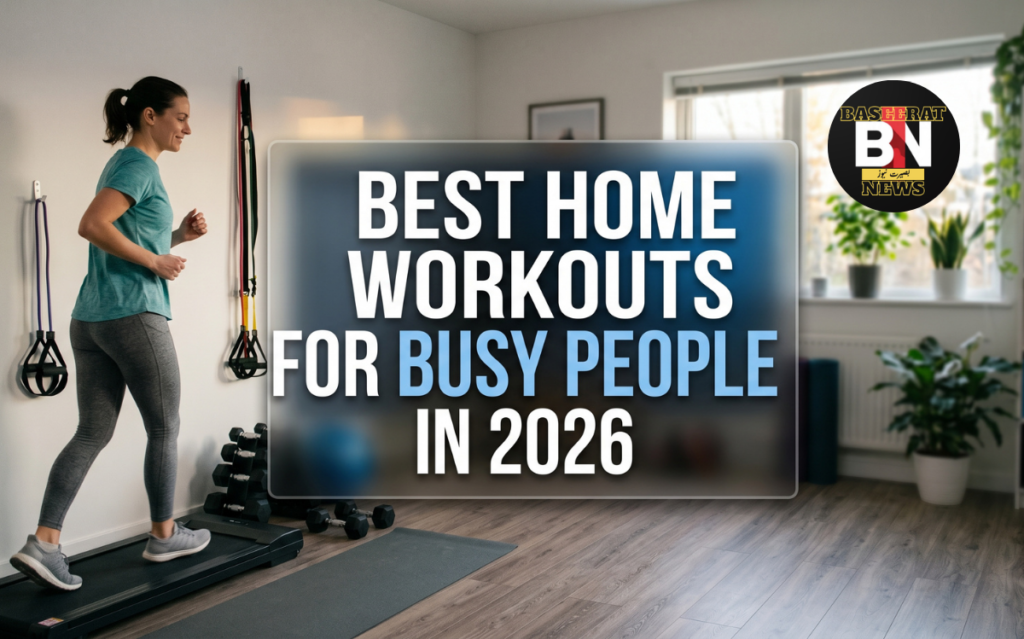
A small living room can become a complete training space.
In many ways, home workouts represent a cultural shift. Fitness is becoming simpler, smarter, and more practical.
The Science Behind Short Workouts
For years, people believed workouts only mattered if they lasted an hour or more. But newer research challenges that belief.
Scientists now understand that the body responds strongly to consistent movement — even in smaller amounts.
A 2025 fitness review found that short high-intensity workouts improved cardiovascular endurance almost as effectively as longer moderate sessions for many adults. Another study showed that brief daily resistance training increased muscle strength and mobility in office workers.
The key factor is consistency.
Short workouts are easier to repeat. And repetition creates results.
Benefits include:
- Improved heart health
- Better metabolism
- Increased daily energy
- Reduced stress hormones
- Better sleep quality
- Enhanced mood
- Stronger muscles and joints
For busy people, this changes everything.
Fitness no longer requires perfection. It requires commitment to small daily actions.
Benefits of Home Workouts for Busy People
1. Saves Time
Time is the biggest obstacle for most adults.
A gym session often includes:
- Driving
- Parking
- Changing clothes
- Waiting for equipment
- Showering afterward
A 45-minute workout can easily consume two hours.
Home workouts eliminate that waste.
You can exercise immediately after waking up, during breaks, or before sleep.
2. Reduces Stress
Exercise is one of the most effective natural stress relievers.
Physical movement releases endorphins while lowering cortisol levels. Even short workouts help calm the nervous system.
This is especially important in modern digital lifestyles where mental exhaustion is common.
3. Costs Less
Gym memberships, personal trainers, supplements, and travel costs add up quickly.
Home workouts can be completely free.
Bodyweight exercises like squats, push-ups, planks, and lunges require no equipment at all.
4. Improves Consistency
People stick to routines that feel manageable.
A 15-minute workout feels psychologically easier than a 90-minute gym commitment.
That simplicity increases long-term success.
5. Flexible Scheduling
One of the greatest advantages of home fitness is flexibility.
You can:
- Train early morning
- Exercise during lunch
- Stretch before bed
- Split workouts into smaller sessions
Fitness becomes adaptable instead of restrictive.
Timeline: Evolution of Home Workouts
| Year | Fitness Trend |
| 1980s | Aerobic VHS workout programs |
| 1990s | Home treadmills have become popular |
| 2000s | Online fitness videos emerge |
| 2010s | Smartphone workout apps explode |
| 2020 | Global lockdowns accelerate home fitness |
| 2022 | Short-form workout content dominates social media |
| 2024 | AI-powered personalized home workouts rise |
| 2026 | Sustainable micro-workouts become mainstream |
Best Home Workout Types for Busy People
1. HIIT Workouts
High-Intensity Interval Training became one of the most popular fitness methods in the world for a reason.
HIIT alternates short bursts of intense movement with brief rest periods.
Example:
- 30 seconds jumping jacks
- 30 seconds rest
- 30 seconds of squats
- 30 seconds rest
The biggest advantage is efficiency.
A 15-minute HIIT session can burn significant calories while improving endurance.
Best HIIT Exercises
- Burpees
- Mountain climbers
- Jump squats
- High knees
- Push-ups
- Jumping jacks
HIIT is ideal for:
- Fat loss
- Busy professionals
- Energy boosts
- Short workout windows
2. Bodyweight Strength Training
Strength training is no longer just for athletes or bodybuilders.
Modern research shows muscle preservation is essential for healthy aging, metabolism, posture, and injury prevention.
Bodyweight workouts use your own body as resistance.
Best Bodyweight Exercises
- Squats
- Push-ups
- Lunges
- Planks
- Glute bridges
- Chair dips
These exercises improve:
- Functional strength
- Core stability
- Joint mobility
- Daily energy
3. Yoga for Busy Minds
Yoga has evolved far beyond flexibility training.
Today, it is recognized as both physical exercise and mental recovery.
Busy lifestyles often overload the nervous system. Yoga slows the body down while improving mobility and posture.
Even 10 minutes of stretching and breathing can reduce stress dramatically.
Benefits of Yoga
- Better sleep
- Reduced anxiety
- Improved flexibility
- Better posture
- Stress reduction
4. Walking Workouts
Walking remains one of the most underrated exercises in the world.
Fitness trends constantly change, but walking continues to deliver remarkable health benefits.
Walking improves:
- Heart health
- Mood
- Fat burning
- Joint mobility
- Blood circulation
Busy people can combine walking with:
- Phone calls
- Podcasts
- Meetings
- Family time
5. Core Workouts
Core strength affects almost every movement in daily life.
Weak core muscles contribute to:
- Back pain
- Poor posture
- Fatigue
- Reduced balance
Best Core Exercises
- Planks
- Bicycle crunches
- Leg raises
- Russian twists
- Dead bugs
Short core sessions work extremely well for busy schedules.
6. Full Body Circuits
Full-body workouts maximize efficiency.
Instead of isolating one muscle group, they train multiple areas at once.
Example circuit:
- Squats
- Push-ups
- Lunges
- Plank
- Jumping jacks
This style burns calories while improving strength and endurance together.
Weekly Workout Plan Table
| Day | Workout |
| Monday | HIIT Workout |
| Tuesday | Yoga & Stretching |
| Wednesday | Strength Training |
| Thursday | Walking Workout |
| Friday | Core Workout |
| Saturday | Full Body Circuit |
| Sunday | Recovery Stretching |
10-Minute Morning Workout for Busy People
Morning workouts help many people stay consistent because unexpected events are less likely to interrupt the routine.
Quick Routine
- Jumping jacks – 1 minute
- Squats – 1 minute
- Push-ups – 1 minute
- High knees – 1 minute
- Plank – 1 minute
Repeat twice.
This simple workout:
- Boosts circulation
- Improves focus
- Increases energy
- Starts the day productively
The Rise of “Exercise Snacks”
One of the most fascinating fitness trends of 2026 is the rise of exercise snacks.
This approach breaks workouts into very small pieces throughout the day.
Examples:
- 20 squats after meetings
- Push-ups during breaks
- Stretching while cooking
- Walking after meals
Research suggests these mini-sessions improve metabolic health and reduce the risks associated with prolonged sitting.
For busy people, this strategy feels realistic.
Best Home Workouts for Office Workers
Office jobs create unique physical problems:
- Tight hips
- Neck pain
- Poor posture
- Weak core muscles
- Low energy
Recommended Exercises
- Wall sits
- Shoulder stretches
- Glute bridges
- Desk push-ups
- Cat-cow stretches
Even small movement breaks improve productivity and concentration.
Home Workout Mistakes to Avoid
1. Trying Extreme Routines
Many people fail because they begin with unrealistic expectations.
Consistency matters more than intensity.
Start small.
2. Ignoring Recovery
Rest is part of fitness.
Overtraining increases fatigue and injury risk.
Sleep, hydration, and stretching are essential.
3. Poor Form
Fast workouts should still use proper technique.
Controlled movement prevents injuries.
4. Skipping Warm-Ups
Warm-ups prepare muscles and joints for movement.
Even two minutes helps.
5. Expecting Instant Results
Fitness changes happen gradually.
Visible transformation takes time.
The real goal is sustainable health.
Motivation Strategies for Busy People
Focus on Identity, Not Perfection
Instead of saying:
“I need to lose weight.”
Try:
“I am becoming an active person.”
Identity-based habits last longer.
Make Workouts Easy to Start
Reduce friction:
- Keep workout clothes ready
- Use short routines
- Schedule workouts like meetings
The easier the routine feels, the more likely it is to continue.
Track Small Wins
Celebrate consistency.
Completing four 10-minute workouts weekly is better than quitting a perfect plan after three days.
Use Music and Environment
Music strongly affects workout energy.
Create a motivating environment at home.
Small psychological tricks matter.
Nutrition Tips for Busy People
Exercise works best when paired with realistic nutrition habits.
Busy lifestyles often lead to:
- Fast food dependence
- Skipped meals
- Excess sugar intake
- Poor hydration
Simple Nutrition Rules
- Prioritize protein
- Drink enough water
- Eat fruits and vegetables
- Avoid excessive processed foods
- Prepare simple meals ahead of time
Healthy eating does not require perfection either.
Fitness Trends in 2026
AI Fitness Coaching
AI-powered apps now personalize workouts based on:
- Recovery levels
- Time availability
- Goals
- Sleep quality
Smart Home Equipment
Compact fitness tools are replacing large machines.
Popular equipment includes:
- Resistance bands
- Adjustable dumbbells
- Smart jump ropes
Hybrid Fitness
People combine:
- Home workouts
- Outdoor walking
- Occasional gym sessions
Flexibility is becoming the future of fitness.
Why Consistency Beats Intensity
One of the biggest lessons from modern fitness research is surprisingly simple:
Small habits repeated consistently outperform extreme bursts of motivation.
A person exercising:
- 15 minutes daily for years
Often achieves better long-term health than someone else:
- training intensely for one month before quitting.
Sustainability wins.
Documentary Perspective: How Fitness Culture Changed
In the early 2000s, fitness marketing promoted extremes.
“Go hard or go home.”
But reality eventually challenged that mindset.
Burnout increased.
Injuries increased.
People abandoned programs.
The 2020s shifted fitness toward balance and sustainability.
The message became:
Move regularly.
Train intelligently.
Stay active for life.
That cultural evolution changed millions of lives.
A Simple Beginner Home Workout
Warm-Up
- Arm circles
- Marching in place
- Light stretching
Main Workout
- Squats × 15
- Push-ups × 10
- Lunges × 10 each leg
- Plank × 30 seconds
- Jumping jacks × 20
Repeat 3 rounds.
Cool Down
- Hamstring stretch
- Shoulder stretch
- Deep breathing
Total time: 20 minutes.
The Psychology of Busy Schedules
Many people believe they lack discipline.
Often, the real issue is decision fatigue.
After a long day of work and stress, complicated workouts feel overwhelming.
Short home workouts succeed because they simplify decisions.
Less friction creates more action.
Home Workouts and Mental Health
Exercise strongly affects mental wellness.
Studies show movement helps reduce:
- Anxiety
- Depression symptoms
- Stress
- Mental fatigue
Physical activity improves blood flow to the brain while supporting emotional regulation.
For busy people dealing with modern stress, this matters enormously.
The Importance of Recovery Days
Recovery is not laziness.
Recovery allows muscles and the nervous system to adapt.
Good recovery includes:
- Sleep
- Hydration
- Stretching
- Walking
- Light mobility work
Busy lifestyles already stress the body heavily. Smart recovery prevents burnout.
Home Workout Equipment Worth Buying
Although bodyweight workouts work well, some affordable tools increase exercise variety.
Best Budget Equipment
- Resistance bands
- Yoga mat
- Adjustable dumbbells
- Jump rope
- Foam roller
These items require little space while offering excellent versatility.
How to Stay Consistent for Years
The secret to long-term fitness is not motivation.
It is systems.
Build Systems Like:
- Fixed workout times
- Weekly planning
- Visible reminders
- Habit stacking
Example:
“After morning coffee, I do a 10-minute workout.”
Simple systems reduce reliance on willpower.
Frequently Asked Questions (FAQs)
1. Are home workouts actually effective?
Yes. Consistent home workouts improve strength, cardiovascular health, flexibility, and mental wellness.
2. How long should a home workout be?
Even 10–20 minutes can be effective when performed consistently.
3. Can I lose weight with home workouts?
Yes. Combining exercise with healthy eating supports weight loss.
4. Do I need equipment?
No. Many effective workouts use only bodyweight exercises.
5. What is the best workout for beginners?
Walking, bodyweight exercises, and yoga are excellent starting points.
6. Is HIIT safe for beginners?
Yes, when modified appropriately and performed with proper rest.
7. How many days a week should I exercise?
Most experts recommend at least 3–5 days of movement weekly.
8. Are short workouts enough?
Research increasingly supports short, consistent workouts for health benefits.
9. What is the best time to exercise?
The best time is the time you can consistently maintain.
10. Can home workouts build muscle?
Yes. Progressive bodyweight training builds strength and muscle tone.
11. How do I stay motivated?
Focus on routine and consistency instead of perfection.
12. Should I work out daily?
Light movement daily is beneficial, but recovery remains important.
13. Can busy parents stay fit at home?
Absolutely. Short flexible routines work very well for parents.
14. What exercises burn calories fastest?
HIIT exercises typically burn calories efficiently.
15. Is walking enough exercise?
Walking provides major cardiovascular and mental health benefits.
16. Do I need supplements?
Most people can improve fitness without supplements.
17. Are morning workouts better?
Morning workouts help many people stay consistent.
18. Can home workouts reduce stress?
Yes. Exercise helps regulate mood and stress hormones.
19. What if I miss workouts?
Resume the next day without guilt.
20. How important is stretching?
Stretching improves flexibility and recovery.
21. Can older adults do home workouts?
Yes, with appropriate modifications.
22. What is exercise snacking?
Short bursts of movement performed throughout the day.
23. Are fitness apps useful?
Many apps help structure routines and track consistency.
24. Should I do cardio or strength training?
A combination of both works best for overall health.
25. Can I work out in small apartments?
Yes. Many workouts require minimal space.
26. How quickly will I see results?
Energy and mood often improve within weeks. Physical changes take longer.
27. Are rest days necessary?
Yes. Recovery supports performance and injury prevention.
28. What is the biggest fitness mistake?
Starting routines that are too extreme to maintain.
29. Why do people quit workouts?
Unrealistic expectations and inconsistent routines are common reasons.
30. What is the future of fitness?
Flexible, personalized, sustainable workouts are becoming dominant.
Conclusion: The Future of Fitness Is Simplicity
Fitness is changing.
The old image of exhausting gym sessions and impossible schedules is fading. In its place, a more realistic movement is emerging, one built around sustainability, flexibility, and consistency.
Busy people no longer need perfect conditions to become healthier.
A small room can become a training space.
Ten minutes can become meaningful progress.
Daily movement can become a lifelong transformation.
The science of 2026 increasingly supports a powerful truth:
You do not need to do everything.
You simply need to keep moving.
The best home workouts are not necessarily the hardest ones. They are the workouts you can continue doing for months and years.
Because real fitness is not built in a single intense week.
It is built quietly, consistently, day after day, inside ordinary lives.
Stay connected for the latest updates and trending topics.
Check it out by clicking the link below.
https://baseeratnews.com/onions-explained/