
Best Homemade Sunscreen Remedies: Natural Skin Care Tips for Healthy, Glowing Skin
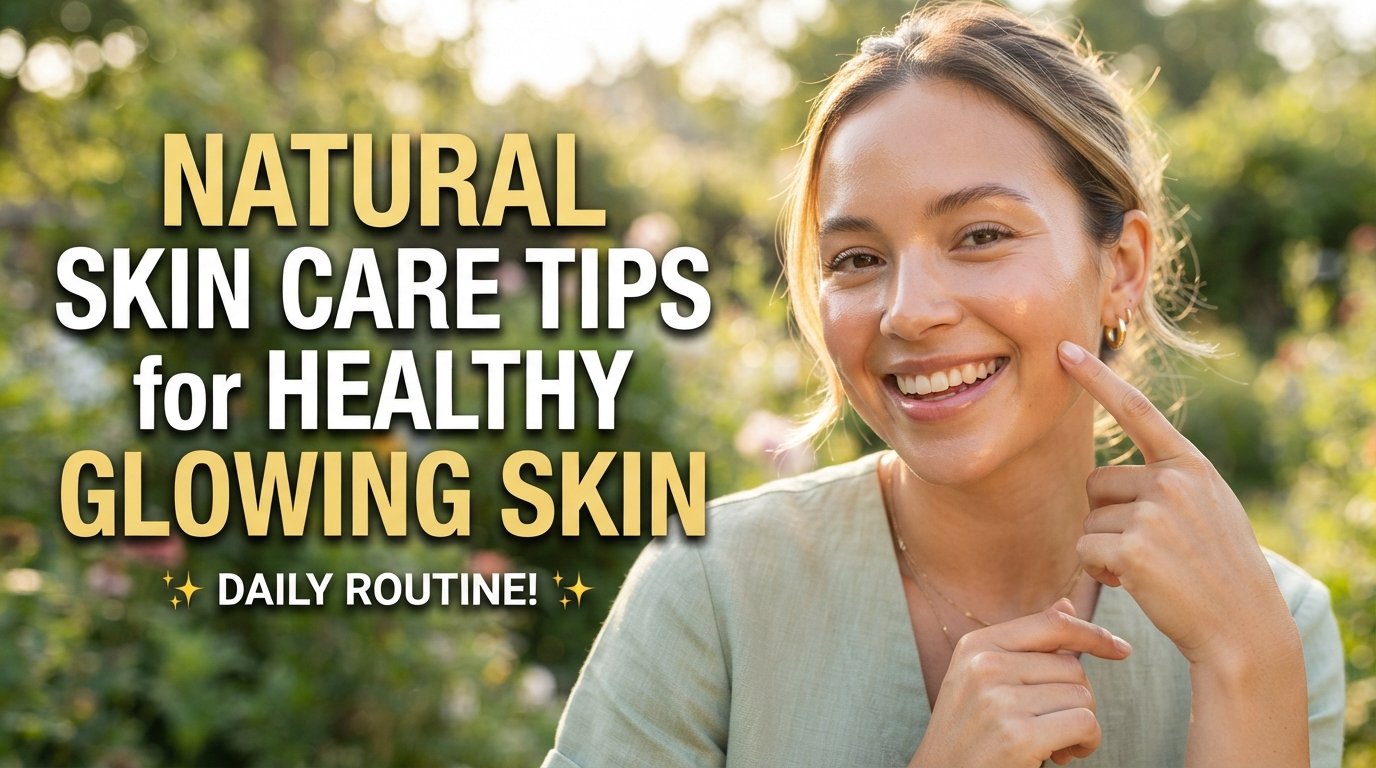
Best Homemade Sunscreen Remedies
Protecting your skin from the sun is one of the most important steps in any skincare routine. While many people search for the best homemade sunscreen remedies, it’s essential to understand one important fact: no homemade sunscreen can be relied upon to provide a tested Sun Protection Factor (SPF) like commercially manufactured sunscreens.
However, natural ingredients can play a valuable role in keeping your skin hydrated, soothing irritation after sun exposure, and supporting overall skin health. In this guide, you’ll learn safe, effective homemade skincare remedies, the benefits of natural ingredients, and the best ways to protect your skin from harmful UV rays.
Whether you enjoy DIY beauty treatments or simply want healthier skin using natural ingredients, this guide will help you make informed choices.
Why Homemade Sunscreen Isn’t a Safe Replacement
Before trying any DIY sunscreen recipe, it’s important to understand why experts don’t recommend replacing commercial sunscreen with homemade alternatives.
Unlike certified sunscreens, homemade mixtures cannot accurately measure SPF or provide broad-spectrum protection against UVA and UVB rays. Even ingredients often promoted online—such as coconut oil, raspberry seed oil, or carrot seed oil—do not offer dependable sun protection when used alone.
Instead of relying on homemade sunscreen, use natural remedies to complement your skincare routine while wearing a dermatologist-tested sunscreen outdoors.
Benefits of Natural Skin Care Remedies
Although homemade sunscreen isn’t reliable for UV protection, natural skincare recipes can still provide many benefits.
Natural ingredients can help:
- Moisturize dry skin
- Calm redness after sun exposure
- Improve skin softness
- Support the skin barrier
- Reduce dehydration
- Nourish skin with vitamins and antioxidants
- Promote a healthy glow
Using these remedies regularly can help your skin recover after spending time outdoors.
Best Homemade Skin Care Remedies for Sun-Exposed Skin
1. Aloe Vera Gel
Aloe vera is one of the most trusted natural skincare ingredients.
Benefits
- Instantly cools the skin
- Helps reduce redness
- Hydrates deeply
- Supports skin recovery
- Rich in antioxidants
How to Use
Apply fresh aloe vera gel directly onto clean skin.
Leave it on for 20–30 minutes before rinsing or allow it to absorb naturally.
2. Cucumber and Yogurt Cooling Mask
Cucumber contains plenty of water, while yogurt contains lactic acid that gently exfoliates and softens skin.
Ingredients
- ½ cucumber
- 2 tablespoons plain yogurt
Method
Blend until smooth.
Apply for 15–20 minutes.
Rinse with cool water.
3. Oatmeal Skin Soothing Paste
Oatmeal is excellent for irritated or sensitive skin.
Ingredients
- Ground oats
- Water
Mix into a thick paste.
Apply for 15 minutes before washing away.
4. Honey Moisture Mask
Raw honey naturally attracts moisture.
Benefits
- Softens skin
- Keeps skin hydrated
- Supports the skin barrier
Apply a thin layer for 15 minutes before rinsing.
5. Shea Butter Moisturizer
Shea butter contains vitamins A and E.
After sun exposure, massage a small amount onto slightly damp skin.
It helps lock in moisture and reduce dryness.
Natural Ingredients That Support Healthy Skin
Many plant-based ingredients contain nutrients that nourish your skin.
Aloe Vera
Supports hydration and soothes irritation.
Coconut Oil
Helps moisturize dry skin but should not be used as sunscreen.
Shea Butter
Rich in fatty acids that soften skin.
Olive Oil
Contains antioxidants that help nourish the skin barrier.
Oatmeal
Ideal for calming itchy or irritated skin.
Honey
Naturally moisturizing and soothing.
Cucumber
Provides cooling hydration.
Foods That Support Skin Health
Healthy skin begins from within.
A nutrient-rich diet supports your body’s natural skin repair processes.
Vitamin C Rich Foods
- Oranges
- Kiwi
- Strawberries
- Bell peppers
- Broccoli
Vitamin C supports collagen production.
Vitamin E Foods
- Almonds
- Sunflower seeds
- Avocados
- Spinach
Vitamin E helps protect skin cells from oxidative stress.
Omega-3 Fatty Acids
Include foods like:
- Salmon
- Sardines
- Walnuts
- Chia seeds
- Flaxseeds
These healthy fats support skin hydration.
Beta-Carotene Foods
- Carrots
- Sweet potatoes
- Pumpkin
- Mango
- Apricots
These colorful foods support overall skin health as part of a balanced diet.
Daily Sun Protection Tips
Natural skincare works best alongside smart sun habits.
Wear Sunscreen Every Day
Choose a broad-spectrum sunscreen with SPF 30 or higher and reapply as directed, especially after swimming or sweating.
Wear Protective Clothing
Long sleeves, hats, and UV-protective sunglasses reduce direct sun exposure.
Stay in the Shade
Seek shade between 10 a.m. and 4 p.m., when UV rays are strongest.
Drink Plenty of Water
Hydration helps maintain healthy-looking skin.
Moisturize Daily
Use a gentle moisturizer after cleansing to support the skin barrier.
DIY Cooling Body Spray
This refreshing spray can help cool the skin after time outdoors.
Ingredients
- ½ cup aloe vera gel
- ½ cup rose water
- 1 teaspoon glycerin (optional)
Mix well and pour into a clean spray bottle.
Store in the refrigerator and spray onto clean skin as needed.
DIY Hydrating Face Mask
Ingredients
- 1 tablespoon yogurt
- 1 tablespoon honey
- 1 tablespoon aloe vera gel
Mix thoroughly.
Apply for 15 minutes.
Wash with cool water.
Common Homemade Sunscreen Myths
Myth 1: Coconut Oil Works Like Sunscreen
Coconut oil is an excellent moisturizer but does not provide reliable sun protection.
Myth 2: Essential Oils Replace Sunscreen
Essential oils should never replace sunscreen.
Some may even increase skin sensitivity.
Myth 3: Zinc Oxide Mixed at Home Creates SPF
Without professional formulation and testing, homemade zinc oxide creams cannot guarantee a consistent or labeled SPF.
Myth 4: Natural Means Better Protection
Natural ingredients can nourish the skin, but they should not be relied upon to prevent UV damage.
Skin Care Routine for Sunny Days
Morning
- Gentle cleanser
- vitamin C serum (optional)
- Moisturizer
- Broad-spectrum SPF 30+ sunscreen
Afternoon
- Reapply sunscreen as directed
- Stay hydrated
- Wear a hat and sunglasses
Evening
- Cleanse skin
- Apply aloe vera gel if needed
- Moisturize with shea butter or a gentle lotion
Who Can Benefit From Natural Skin Care Remedies?
These remedies are suitable for many people looking to support healthy skin, including:
- People with dry skin
- Those spending time outdoors
- Individuals seeking simple DIY skincare
- Anyone wanting extra hydration after sun exposure
If you have sensitive skin or allergies, perform a patch test before using any homemade remedy.
Frequently Asked Questions
Can homemade sunscreen replace store-bought sunscreen?
No. Homemade sunscreen cannot provide tested or reliable SPF protection. Use a broad-spectrum sunscreen for protection from UVA and UVB rays.
What is the best natural ingredient after sun exposure?
Aloe vera is one of the most popular choices for soothing and hydrating sun-exposed skin.
Is coconut oil a sunscreen?
No. Coconut oil helps moisturize the skin but should not be used as a substitute for sunscreen.
Which foods are good for healthy skin?
A balanced diet that includes fruits, vegetables, nuts, seeds, whole grains, and omega-3-rich foods can help support overall skin health.
Can I use DIY skincare every day?
Many gentle recipes, such as aloe vera gel or oatmeal masks, can be used regularly if they suit your skin type.
Conclusion
Searching for the best homemade sunscreen remedies often leads to many DIY recipes online, but protecting your skin requires separating myths from evidence. While natural ingredients like aloe vera, cucumber, oatmeal, honey, and shea butter can soothe, moisturize, and support healthy skin after sun exposure, they cannot replace a tested, broad-spectrum sunscreen.
The most effective approach combines dermatologist-recommended sunscreen, protective clothing, shade, good hydration, and a nutrient-rich diet. By pairing safe sun protection with nourishing homemade skincare remedies, you can help keep your skin healthy, comfortable, and glowing throughout the year.
When it comes to skincare, consistency matters more than complicated routines. Simple habits—using sunscreen daily, eating antioxidant-rich foods, staying hydrated, and moisturizing regularly—can make a lasting difference in your skin’s appearance and overall health.