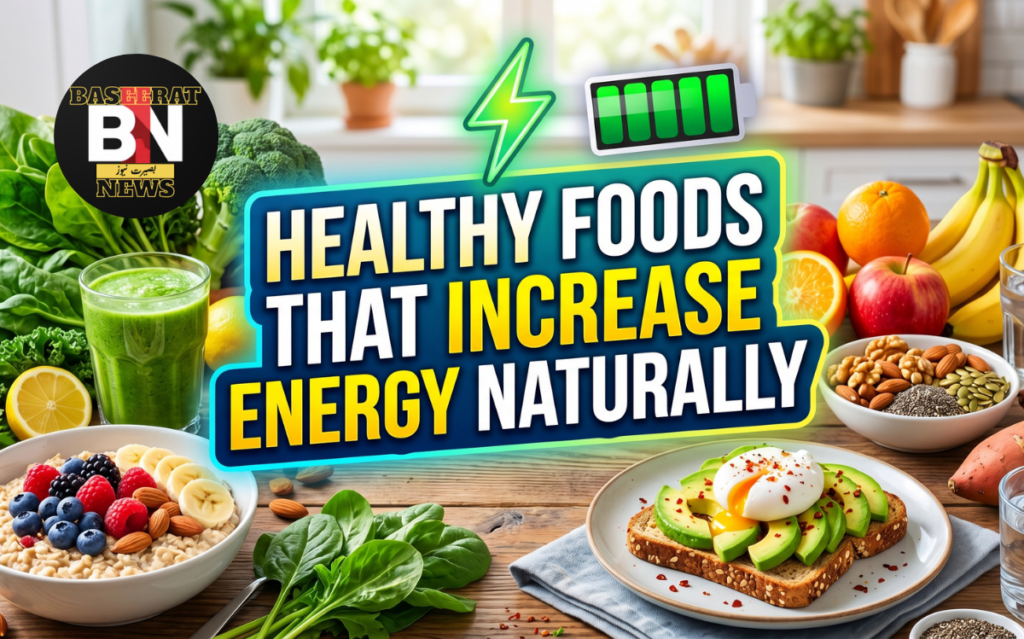
Why So Many People Feel Tired Every Day
It has become surprisingly normal for people to feel exhausted before the day even begins. Many wake up tired, depend on caffeine to stay alert, and still struggle with low energy by the afternoon. Modern lifestyles have quietly created a cycle of fatigue driven by poor eating habits, stress, lack of movement, dehydration, and inconsistent sleep.
Walk into any office, school, or gym, and you will hear the same complaints: low stamina, brain fog, poor concentration, and constant tiredness. Energy drinks and sugary snacks may provide quick relief, but the effect rarely lasts. Within hours, energy crashes return even harder than before.
The truth is that real energy does not come from a can of caffeine or a spoonful of sugar. Sustainable energy starts inside the body at the cellular level. Every heartbeat, muscle movement, and brain function depends on nutrients from the foods people eat every day.
Recent nutrition research continues to show that healthy foods rich in protein, complex carbohydrates, vitamins, minerals, fiber, and healthy fats help support steady energy production. These foods stabilize blood sugar, improve metabolism, support oxygen delivery, and reduce inflammation that contributes to fatigue.
The good news is that improving energy naturally does not require expensive supplements or extreme diets. Small changes in daily meals can make a noticeable difference in focus, productivity, mood, and physical performance.
This guide explores the best healthy foods that increase energy naturally, the science behind how food affects stamina, the worst foods for fatigue, practical meal plans, and expert-backed tips to help you stay energized throughout the day.
Introduction
Energy is one of the most important parts of daily life. It affects productivity, workouts, mood, concentration, and overall health. Without enough energy, even simple tasks can feel exhausting.
Many people assume tiredness only comes from lack of sleep, but nutrition plays a major role as well. The body depends on nutrients to create fuel for cells, muscles, and the brain. Poor food choices can interrupt this process and lead to fatigue, weakness, and mental exhaustion.
Healthy foods work differently from processed junk food. Instead of creating sudden spikes and crashes in blood sugar, nutrient-dense foods provide slow and stable energy release. This helps people stay active and focused for longer periods.
Foods rich in iron help oxygen move through the bloodstream. Protein supports muscle repair and metabolism. Complex carbohydrates provide steady glucose. Healthy fats offer long-lasting fuel. Vitamins like B12 and minerals like magnesium support energy production at the cellular level.
Hydration also matters. Even mild dehydration may reduce concentration and increase tiredness. That is why energy is connected not only to calories but also to overall dietary quality.
The best part about natural energy foods is that they improve more than stamina. They can support brain health, digestion, mood balance, immune function, and workout recovery at the same time.
What Causes Low Energy?
Low energy can happen for many reasons. Understanding the cause helps people make smarter lifestyle changes.
Poor Diet
Highly processed foods are one of the biggest reasons people feel tired. Fast food, sugary snacks, and refined carbohydrates create rapid blood sugar spikes followed by energy crashes.
Dehydration
Water is essential for circulation, temperature control, and nutrient transport. Even slight dehydration can reduce physical and mental performance.
Lack of Sleep
Sleep allows the body to recover and repair itself. Poor sleep quality often increases cravings for unhealthy foods and reduces daytime energy.
Stress
Chronic stress increases cortisol levels, which can affect sleep, appetite, and metabolism.
Nutrient Deficiencies
Low levels of iron, magnesium, vitamin D, or B vitamins may contribute to fatigue and weakness.
Lack of Physical Activity
Regular movement improves blood circulation and mitochondrial function, which helps support energy production.
How Food Affects Energy in the Body
The human body converts food into usable fuel. This process involves several important systems.
Calories as Fuel
Calories provide energy for every bodily function. However, calorie quality matters more than quantity.
Blood Sugar Stability
When people eat sugary foods, blood glucose rises rapidly. The body responds by releasing insulin, which can later cause an energy crash.
Complex carbohydrates digest more slowly, creating stable energy release.
Mitochondria and Cellular Energy
Mitochondria are often called the “powerhouses” of cells. They convert nutrients into ATP, the body’s energy currency.
Healthy foods rich in antioxidants, amino acids, and minerals help mitochondria function efficiently.
Protein and Energy Balance
Protein supports muscle repair and helps people feel full longer. Combining protein with healthy carbohydrates may improve sustained energy.
Healthy Fats
Healthy fats digest slowly and provide long-lasting fuel, especially during long workdays or endurance exercise.
Top Healthy Foods That Increase Energy
1. Bananas


Bananas are among the best natural energy foods. They contain carbohydrates, potassium, and vitamin B6 that help support muscle function and energy metabolism.
The natural sugars in bananas provide quick fuel, while fiber helps slow digestion for longer-lasting energy.
Bananas are excellent before workouts, during busy mornings, or as an afternoon snack.
Best Ways to Eat
- Add to oatmeal
- Blend into smoothies
- Eat with peanut butter
- Slice into yogurt
2. Oatmeal


Oatmeal is rich in complex carbohydrates and soluble fiber. It releases glucose slowly, helping prevent sugar crashes.
Oats also contain iron, magnesium, and B vitamins that support energy production.
People who eat oatmeal for breakfast often experience better satiety and concentration throughout the morning.
Best Time to Eat
Breakfast or pre-workout meals.
3. Eggs
Eggs are packed with high-quality protein and essential amino acids. They also contain choline, which supports brain health and mental focus.
Because protein digests slowly, eggs help provide steady energy for hours.
Easy Serving Ideas
- Boiled eggs
- Vegetable omelets
- Egg sandwiches on whole-grain bread
4. Sweet Potatoes
Sweet potatoes provide complex carbohydrates, fiber, and antioxidants. They are rich in vitamin A and potassium.
Unlike refined carbs, sweet potatoes digest gradually and support stable energy.
Athletes often use sweet potatoes as a natural source of workout fuel.
5. Greek Yogurt
Greek yogurt combines protein, calcium, and probiotics. The protein supports muscle recovery, while probiotics may support gut health linked to energy and immunity.
Adding berries and nuts makes it an even more balanced snack.
6. Almonds


Almonds contain healthy fats, protein, magnesium, and fiber.
Magnesium plays a role in converting food into energy. Low magnesium levels are often associated with fatigue.
A small handful of almonds can provide long-lasting energy during work or travel.
7. Brown Rice
Brown rice is a whole grain rich in fiber and complex carbohydrates.
Because it digests slowly, it provides more sustained energy than white rice.
It also contains manganese, which helps support metabolism.
8. Apples
Apples provide natural sugars combined with fiber, helping create a gradual energy release.
They are refreshing, hydrating, and easy to carry as snacks.
Pairing apples with nut butter increases protein and healthy fats for longer-lasting stamina.
9. Salmon
Salmon is rich in protein and omega-3 fatty acids.
Omega-3 fats may support brain function, reduce inflammation, and improve overall vitality.
Salmon also contains B vitamins, important for energy metabolism.
10. Spinach
Spinach is loaded with iron, magnesium, and vitamin C.
Iron helps transport oxygen through the bloodstream. Low iron levels often contribute to tiredness and weakness.
Leafy greens are especially important for people with low-energy symptoms linked to nutrient deficiencies.
11. Quinoa
Quinoa contains complex carbohydrates, fiber, and plant-based protein.
It is considered a complete protein because it contains all essential amino acids.
Quinoa is excellent for vegetarians looking for sustainable energy foods.
12. Berries
Blueberries, strawberries, and raspberries contain antioxidants that help fight oxidative stress.
They also provide fiber and natural carbohydrates without causing major sugar spikes.
13. Avocados
Avocados contain healthy monounsaturated fats and fiber.
Healthy fats provide slow-burning energy and help people stay full longer.
They also support heart and brain health.
14. Lentils
Lentils are rich in protein, iron, and complex carbohydrates.
They provide stable energy and support muscle recovery.
15. Green Tea
Green tea contains moderate caffeine plus antioxidants called catechins.
Unlike sugary energy drinks, green tea often provides smoother energy without severe crashes.
16. Chia Seeds
Chia seeds are packed with omega-3 fats, protein, fiber, and minerals.
When mixed with liquid, they absorb water and help support hydration and fullness.
17. Dark Chocolate
Dark chocolate contains antioxidants and small amounts of caffeine.
It may improve mood and mental alertness when eaten in moderation.
Choose varieties with higher cocoa content and less added sugar.
18. Beetroot
Beetroot contains nitrates that may improve blood flow and exercise performance.
Athletes often use beetroot juice before workouts.
19. Coconut Water
Coconut water contains electrolytes like potassium and magnesium.
It supports hydration after exercise or during hot weather.
20. Whole Grain Bread
Whole-grain bread provides slow-digesting carbohydrates and fiber.
Pairing it with eggs, avocado, or peanut butter creates balanced energy meals.
Superfoods for Energy
Matcha
Matcha contains caffeine and antioxidants that may support concentration and calm alertness.
Spirulina
Spirulina is a nutrient-rich algae containing protein, iron, and antioxidants.
Maca Root
Maca root has become popular in wellness communities for potential stamina support.
Turmeric
Turmeric contains curcumin, which may help reduce inflammation linked to fatigue.
Fermented Foods
Kimchi, yogurt, kefir, and sauerkraut support gut health. Research increasingly connects gut health with mood and energy balance.
Foods That Drain Energy
Sugary Drinks
They create rapid blood sugar spikes followed by crashes.
Candy and Desserts
High sugar intake often leads to temporary energy followed by fatigue.
Fast Food
Heavy processed meals may increase sluggishness and inflammation.
White Bread
Refined carbohydrates digest quickly and may increase hunger and energy crashes.
Excess Alcohol
Alcohol can disrupt sleep quality and hydration.
Best Eating Habits for More Energy
Eat Balanced Meals
Combine carbohydrates, protein, and healthy fats.
Don’t Skip Breakfast
Breakfast helps stabilize blood sugar after overnight fasting.
Stay Hydrated
Drink water regularly throughout the day.
Eat Every 3–4 Hours
Healthy snacks may help maintain steady energy levels.
Sleep Properly
Good nutrition works best alongside quality sleep.
Energy-Boosting Meal Plan
Breakfast
- Oatmeal
- Banana slices
- Almonds
- Green tea
Mid-Morning Snack
- Greek yogurt
- Berries
Lunch
- Brown rice
- Grilled chicken
- Vegetables
Afternoon Snack
- Apple with peanut butter
Dinner
- Salmon
- Sweet potatoes
- Salad
Latest Research on Nutrition and Energy
Modern nutrition science continues exploring how food affects energy production at the cellular level.
Gut Health and Energy
Healthy gut bacteria may influence nutrient absorption, mood, and fatigue levels.
Antioxidants and Recovery
Foods rich in antioxidants help reduce oxidative stress caused by exercise and chronic stress.
Protein and Metabolism
Protein intake supports muscle maintenance and metabolic health.
Complex Carbohydrates
Research consistently shows that whole grains and fiber-rich foods support stable blood sugar and sustained energy.
Healthy Foods for Different Lifestyles
Best Energy Foods for Office Workers
- Nuts
- Green tea
- Fruit
- Oatmeal
- Yogurt
Best Energy Foods for Athletes
- Bananas
- Sweet potatoes
- Salmon
- Brown rice
Vegetarian Energy Foods
- Lentils
- Quinoa
- Chia seeds
- Spinach
Energy Foods for Kids
- Peanut butter
- Fruit smoothies
- Eggs
- Oatmeal
FAQs About Healthy Foods That Increase Energy
Which foods give instant energy?
Bananas, fruits, oatmeal, nuts, and yogurt can provide quick but balanced energy.
Are bananas good for energy?
Yes. Bananas contain carbohydrates, potassium, and vitamin B6 that support energy metabolism.
Does oatmeal increase energy?
Oatmeal provides slow-release carbohydrates that help maintain steady energy.
What foods fight fatigue naturally?
Whole grains, leafy greens, protein foods, nuts, seeds, and fruits may help reduce fatigue.
Which vitamin helps with tiredness?
B vitamins, vitamin D, and iron are commonly linked to energy production.
Is coffee better than healthy energy food?
Coffee may provide temporary alertness, but healthy foods provide sustainable energy and nutrients.
Can dehydration cause fatigue?
Yes. Even mild dehydration may reduce concentration and physical performance.
Are carbs necessary for energy?
Yes. Carbohydrates are the body’s preferred energy source.
Which breakfast gives the most energy?
Balanced breakfasts containing protein, fiber, and healthy fats often provide the best sustained energy.
Are energy drinks unhealthy?
Many energy drinks contain excessive sugar and caffeine that may lead to crashes.
What foods help mental focus?
Fatty fish, berries, nuts, green tea, and eggs may support concentration.
Which fruits improve stamina?
Bananas, apples, oranges, and berries are popular energy-supporting fruits.
What foods reduce weakness?
Iron-rich foods like spinach, lentils, and lean meats may help reduce weakness related to nutrient deficiencies.
Which nuts increase energy?
Almonds, walnuts, and pistachios provide healthy fats and magnesium.
Can healthy foods improve productivity?
Balanced nutrition supports focus, concentration, and stable energy levels.


- Healthy breakfast bowls
- Fruit and nut combinations
- Smoothie recipes
- Whole-grain meals
- Meal prep containers
- Infographics about energy foods
Conclusion
Healthy energy does not come from quick fixes or sugary stimulants. Real, lasting energy comes from consistent habits and nutrient-rich foods that support the body naturally.
Complex carbohydrates, lean proteins, healthy fats, hydration, vitamins, and minerals all work together to fuel the brain and body. Small changes like replacing processed snacks with whole foods can dramatically improve stamina, concentration, and overall wellness.
Whether someone wants better workouts, improved productivity, or simply fewer afternoon crashes, choosing healthier foods is one of the most effective long-term strategies.
Start adding these healthy energy foods to your daily routine and notice how much better your focus, mood, and performance can become naturally.
Thank you for spending your valuable time with us.
Click the link below to continue.
https://baseeratnews.com/okra/
Click the link below to continue.
https://baseeratnews.com/onions-explained/