Dragonfly Introduction
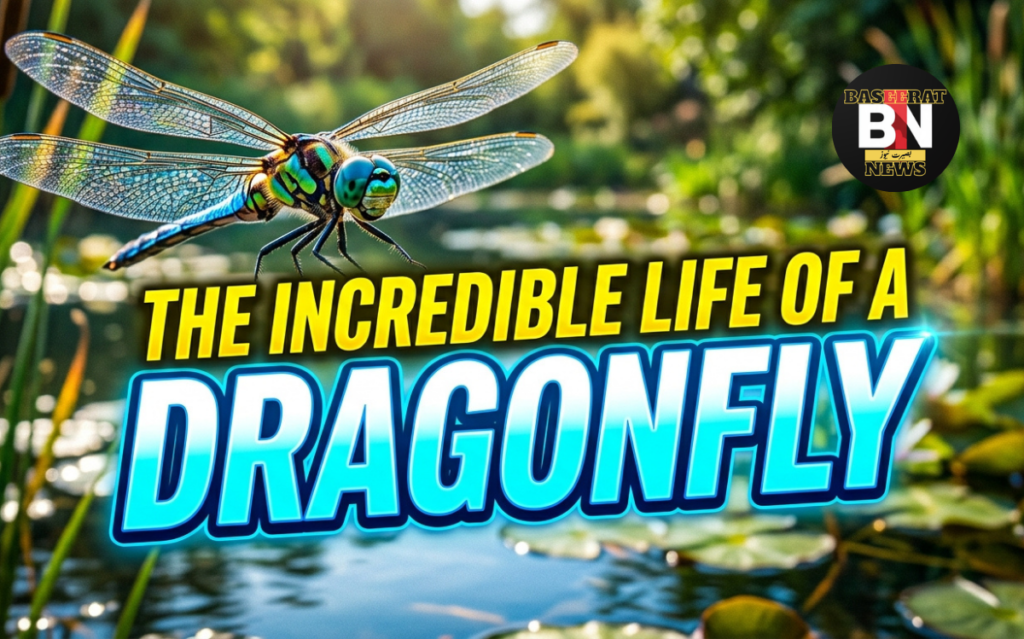
A dragonfly can appear like a tiny flying jewel for just a few seconds before disappearing into the sunlight. Its transparent wings shimmer blue, green, copper, or gold. It hovers perfectly still in the air and then suddenly darts away faster than the human eye can comfortably follow.
For centuries, people have admired dragonflies with fascination and mystery. Ancient warriors considered them symbols of courage. Poets connected them to transformation and illusion. Scientists now study them as some of Earth’s most effective aerial predators.
But the dragonfly is far more important than most people realize.
In 2026, researchers across the world are paying closer attention to dragonflies because these insects are becoming biological warning systems for environmental change. Their populations reveal the health of wetlands, rivers, forests, and climate systems. In many ecosystems, when dragonflies disappear, larger ecological problems often follow.
Dragonflies are also ancient survivors.
Long before humans existed, giant ancestors of modern dragonflies ruled prehistoric skies. Some species had wingspans larger than modern birds. They lived before dinosaurs dominated Earth.
Today, their descendants continue to patrol ponds, marshes, lakes, rice fields, rainforests, and quiet streams across nearly every continent.
This article explores the complete world of dragonflies:
their evolution,
their hunting skills,
their biology,
their role in ecosystems,
their cultural symbolism,
their connection to climate change,
and the growing scientific effort to protect them.
The story of the dragonfly is not just about an insect.
It is the story of survival, adaptation, beauty, and the fragile balance of nature itself.
What Is a Dragonfly?
A dragonfly is a flying predatory insect belonging to the order Odonata and the suborder Anisoptera.
Dragonflies are famous for:
- Long slender bodies
- Two pairs of powerful wings
- Large compound eyes
- Exceptional flying ability
- Aggressive hunting behavior
They are often confused with damselflies, but dragonflies are generally:
- Larger
- Stronger flyers
- More robust in body shape
- Able to hold wings open while resting
Dragonflies are found almost everywhere except Antarctica.
They thrive near:
- Lakes
- Wetlands
- Rivers
- Marshes
- Forest ponds
- Slow-moving streams
Because dragonflies depend heavily on freshwater environments, they are considered one of nature’s best indicators of ecosystem health.
The Ancient History of Dragonflies
Survivors From a Lost World
Dragonflies are among the oldest insects on Earth.
Their ancestors appeared over 300 million years ago during the Carboniferous Period, long before dinosaurs walked the planet.
Some prehistoric dragonfly relatives were enormous.
One famous ancient species, Meganeura, had a wingspan reaching nearly 70 centimeters. That is larger than many modern birds.
Scientists believe ancient oxygen-rich atmospheres allowed insects to grow to gigantic sizes.
The Age of Giant Insects
During prehistoric times:
- Massive forests covered the Earth
- Swamps dominated landscapes
- Oxygen levels were extremely high
These conditions supported giant insects, including giant dragonfly relatives.
Ancient dragonflies likely hunted:
- Smaller insects
- Primitive flying organisms
- Early forest creatures
They ruled the skies as top aerial predators.
Dragonfly Evolution Through Time
Adaptation and Survival
Unlike many prehistoric species that vanished, dragonflies adapted successfully.
They survived:
- Mass extinctions
- Ice ages
- Continental shifts
- Climate transitions
Modern dragonflies are smaller than their ancestors, but they remain among the most efficient insect predators ever evolved.
Their body design changed surprisingly little over millions of years.
That alone shows how perfectly evolution shaped them.
Dragonfly Anatomy Explained
The Eyes
A dragonfly’s eyes are extraordinary.
Its head is dominated by giant compound eyes containing up to 30,000 individual lenses.
These eyes allow dragonflies to:
- Detect movement instantly
- See almost 360 degrees
- Track prey during flight
- Recognize ultraviolet light
Few predators on Earth possess such advanced visual tracking.
Wings
Dragonflies have four independently controlled wings.
This gives them incredible maneuverability.
They can:
- Hover
- Fly backward
- Accelerate rapidly
- Turn sharply
- Glide
- Remain motionless midair
Scientists continue studying dragonfly wings to improve drone technology and robotics.
Body Structure
A dragonfly’s body contains three main sections:
- Head
- Thorax
- Abdomen
The thorax powers flight muscles, while the abdomen helps balance and reproduction.
Despite their delicate appearance, dragonflies are highly engineered hunters.
The Incredible Life Cycle of a Dragonfly
Stage 1: Eggs
Female dragonflies lay eggs in or near water.
Different species choose:
- Pond plants
- Wet mud
- Marsh grasses
- Floating vegetation
Some females even dip their abdomen directly into water while flying to release eggs.
Stage 2: Nymphs
The dragonfly spends most of its life underwater.
After hatching, the larva becomes a nymph.
This stage can last:
- Several months
- Or even several years
Nymphs are underwater predators.
They hunt:
- Mosquito larvae
- Tadpoles
- Small fish
- Aquatic insects
They use a specialized extendable jaw to grab prey at lightning speed.
Stage 3: Molting
As the nymph grows, it molts repeatedly.
Eventually, it climbs out of the water onto:
- Plants
- Rocks
- Tree branches
Its outer shell splits open.
A fully formed adult dragonfly slowly emerges.
This transformation is one of nature’s most dramatic insect metamorphoses.
Stage 4: Adult Dragonfly
Once wings harden, the dragonfly becomes an aerial predator.
Adult life may last:
- A few weeks
- Or several months
Its primary goals become:
- Hunting
- Territory defense
- Reproduction
Dragonflies as Master Predators
The Ultimate Insect Hunter
Dragonflies are among the world’s most successful hunters.
Research suggests their hunting success rate can exceed 90%.
That is higher than:
- Lions
- Sharks
- Wolves
They capture prey midair using remarkable precision.
What Do Dragonflies Eat?
Dragonflies commonly eat:
- Mosquitoes
- Flies
- Gnats
- Bees
- Butterflies
- Smaller dragonflies
Large species may even catch:
- Tiny frogs
- Small fish
- Hummingbirds (rarely)
Flight Intelligence
Dragonflies predict prey movement instead of simply chasing.
Scientists discovered that they calculate interception paths similarly to advanced missile systems.
This predictive hunting makes them extraordinarily efficient.
Dragonflies and Mosquito Control
Natural Pest Controllers
Dragonflies help humans naturally reduce mosquito populations.
Both adults and nymphs consume mosquito larvae and flying mosquitoes in large quantities.
This ecological role is increasingly important in regions battling:
- Malaria
- Dengue fever
- West Nile virus
Some researchers are exploring dragonfly-friendly wetland restoration as a sustainable mosquito management strategy.
Dragonflies and Wetland Ecosystems
Guardians of Freshwater Systems
Dragonflies depend on clean freshwater habitats.
Healthy dragonfly populations usually indicate:
- Clean water
- Balanced ecosystems
- Stable biodiversity
When pollution increases, dragonflies often decline rapidly.
Because of this, scientists use dragonflies as “bioindicators.”
Why Wetlands Matter
Wetlands support:
- Water filtration
- Flood control
- Fish breeding
- Bird migration
- Carbon storage
Dragonflies play a critical role within these interconnected systems.
Their presence signals ecological stability.
Dragonflies as Climate Change Indicators
Why Scientists Monitor Dragonflies
Climate change is altering:
- Rainfall patterns
- Wetland temperatures
- Seasonal timing
- Migration routes
Dragonflies respond quickly to these environmental shifts.
That makes them valuable climate indicators.
Northward Expansion
In Europe and North America, some dragonfly species are expanding northward because temperatures are rising.
Species once limited to warm climates are now appearing in cooler regions.
Researchers see this as evidence of rapidly shifting ecosystems.
Disappearing Wetlands
Meanwhile, species dependent on cold freshwater habitats are declining.
Main causes include:
- Drought
- Urbanization
- Pollution
- Heat stress
Scientists warn that dragonfly diversity loss could signal deeper environmental collapse.
Dragonfly Species Around the World
There are more than 6,000 known dragonfly species worldwide.
Each region contains unique adaptations and colors.
Asia
Asia hosts extraordinary dragonfly diversity.
Tropical forests and rice wetlands provide ideal habitats.
Many species display brilliant:
- Emerald green
- Sapphire blue
- Crimson red
Africa
African dragonflies thrive near:
- Rivers
- Savannah wetlands
- Tropical lakes
Some migrate in enormous swarms across continents.
Europe
European dragonflies are heavily studied due to climate change monitoring projects.
Conservation efforts have helped some endangered populations recover.
North America
North America contains famous species like:
- Common Green Darner
- Blue Dasher
- Widow Skimmer
Wetland restoration programs increasingly focus on dragonfly biodiversity.
The Beauty of Dragonfly Colors
Structural Coloration
Many dragonflies appear metallic because of microscopic structures in their bodies and wings.
These structures reflect light in unique ways.
That creates:
- Iridescent blues
- Electric greens
- Bronze shimmer
- Ruby red tones
Their beauty has inspired:
- Jewelry
- Fashion
- Art
- Tattoos
- Architecture
Dragonflies in Human Culture and Symbolism
Japan
In Japanese culture, dragonflies symbolize:
- Courage
- Strength
- Happiness
- Victory
Ancient samurai admired dragonflies because they move only forward.
Japan was once poetically called “The Island of the Dragonfly.”
Native American Traditions
Many Native American cultures associated dragonflies with:
- Transformation
- Water spirits
- Renewal
- Illusion
Their rapid flight inspired spiritual symbolism.
Europe
European folklore sometimes portrayed dragonflies mysteriously.
Old myths called them:
- Devil’s darning needles
- Horse stingers
These myths reflected fear of unfamiliar insects.
Modern Symbolism
Today, dragonflies commonly represent:
- Personal growth
- Emotional healing
- Adaptation
- Freedom
- Change
Because dragonflies undergo dramatic metamorphosis, they have become universal symbols of transformation.
Dragonflies in Literature and Art
Dragonflies frequently appear in:
- Poetry
- Nature documentaries
- Paintings
- Photography
- Fantasy stories
Artists admire their:
- Delicate wings
- Reflective colors
- Elegant motion
Writers often use dragonflies to symbolize fleeting beauty and impermanence.
Dragonflies in Wildlife Photography
Why Photographers Love Dragonflies
Dragonflies are among the most photographed insects in the world.
Their vivid colors and reflective wings create stunning visual opportunities.
Wildlife photographers seek:
- Morning dew shots
- Wing close-ups
- Flight sequences
- Reflection photography
Best Conditions for Photography
Dragonflies are easiest to photograph:
- Early morning
- Near calm water
- During cool weather
At dawn, they rest motionless while warming their wings.
Dragonfly Migration
Tiny Long-Distance Travelers
Some dragonflies migrate thousands of kilometers.
The Globe Skimmer dragonfly performs one of the longest insect migrations known.
Its journey spans:
- India
- Africa
- The Indian Ocean
Scientists are still studying how dragonflies navigate such vast distances.
Fascinating Dragonfly Facts
Incredible Facts About Dragonflies
- Dragonflies existed before dinosaurs.
- Some species can fly over 50 km/h.
- Their vision is among the best in the insect world.
- They can see ultraviolet light.
- Dragonflies can fly in six directions.
- They spend most of their life underwater.
- Ancient dragonflies were gigantic.
- Their wings resist bacterial growth naturally.
- Scientists study dragonfly flight for drone engineering.
- Dragonflies are extremely successful hunters.
Threats Facing Dragonflies in 2026
Habitat Destruction
Wetlands are disappearing worldwide due to:
- Urban development
- Agriculture
- Mining
- Industrial pollution
When wetlands vanish, dragonflies lose breeding grounds.
Pesticides
Chemical pesticides harm:
- Dragonfly larvae
- Aquatic insects
- Water quality
Some pesticides disrupt dragonfly reproduction and development.
Climate Instability
Extreme climate events now threaten dragonfly populations:
- Droughts
- Heatwaves
- Flooding
- Wildfires
Rapid environmental shifts affect breeding cycles and migration timing.
Conservation Efforts and Wetland Protection
Restoring Wetlands
Conservation groups increasingly focus on:
- Wetland restoration
- Pollution reduction
- Sustainable agriculture
- Freshwater conservation
Healthy wetlands protect dragonflies and thousands of other species.
Citizen Science Projects
Many countries encourage citizens to record dragonfly sightings.
These projects help scientists track:
- Migration changes
- Species decline
- Population recovery
Public participation has become vital for biodiversity research.
Why Dragonflies Matter to Humanity
Dragonflies are not just beautiful insects.
They help humanity by:
- Controlling pests
- Supporting biodiversity
- Revealing ecosystem health
- Indicating climate changes
Their survival is deeply connected to freshwater conservation.
Protecting dragonflies also protects:
- Birds
- Fish
- Amphibians
- Wetlands
- Human water systems
Dragonfly Timeline Through History
| Time Period | Event |
| 320 Million Years Ago | Giant dragonfly ancestors appear |
| Carboniferous Era | Massive insect populations dominate |
| Prehistoric Earth | Meganeura evolves |
| Dinosaur Era | Smaller modern dragonfly forms emerge |
| Ancient Japan | Dragonflies become cultural symbols |
| 1800s | Scientists classify dragonfly species |
| 1900s | Wetland ecology research expands |
| 2000s | Dragonflies are studied as bioindicators |
| 2020–2026 | Climate research on dragonflies increases globally |
Why Scientists Are Studying Dragonflies More Than Ever
Biomimicry Research
Engineers study dragonfly flight to improve:
- Drone stability
- Robotics
- Aviation systems
Dragonfly wings combine:
- Speed
- Precision
- Efficiency
Better than many human-made flying devices.
Ecological Monitoring
Dragonflies help scientists detect:
- Water pollution
- Climate stress
- Habitat collapse
They act like living environmental sensors.
Medical and Material Science
Researchers also study:
- Wing bacteria resistance
- Visual systems
- Aerodynamics
Dragonflies may inspire future technologies.
Dragonflies and Biodiversity
The Web of Life
Dragonflies connect aquatic and terrestrial ecosystems.
As predators and prey, they support:
- Birds
- Fish
- Frogs
- Spiders
Removing dragonflies can disrupt ecological balance.
Biodiversity depends on such interconnected relationships.
Dragonflies and Children’s Curiosity
For many people, dragonflies create their first emotional connection with nature.
Children often notice:
- Their metallic colors
- Fast movement
- Hovering flight
These encounters inspire curiosity about wildlife and conservation.
Nature education programs increasingly use dragonflies to teach ecology.
Dragonflies in Urban Environments
Interestingly, some dragonflies adapt well to cities if clean water exists nearby.
Urban parks with ponds can support surprising dragonfly diversity.
Green infrastructure projects now include:
- Artificial wetlands
- Rain gardens
- Ecological ponds
These habitats benefit both wildlife and urban communities.
The Future of Dragonflies on a Changing Planet
A Fragile Future
Scientists warn that freshwater biodiversity faces growing pressure.
Dragonflies remain vulnerable because they rely on stable aquatic ecosystems.
Without conservation:
- Species loss may accelerate
- Wetlands may collapse
- Ecological imbalance may spread
Reasons for Hope
There is also optimism.
Global awareness about:
- Biodiversity
- Climate change
- Wetland conservation
It is increasing rapidly.
Many dragonfly populations recover quickly when habitats are restored.
This resilience gives conservationists hope.
Conclusion
The dragonfly is one of Earth’s most extraordinary survivors.
It lived before dinosaurs, adapted through planetary changes, and continues flying above rivers and wetlands across the modern world.
Yet the dragonfly is more than a beautiful insect.
It is:
- A master predator
- A climate indicator
- A symbol of transformation
- A guardian of freshwater ecosystems
- A scientific marvel
Its shimmering wings tell a deeper story about the health of nature itself.
When dragonflies thrive, wetlands often thrive too.
When dragonflies disappear, ecosystems may already be in danger.
In a rapidly changing world, these ancient aerial hunters remind humanity of something essential:
The survival of even the smallest creatures is connected to the future of the planet.
Watching a dragonfly hover above quiet water may seem like a simple moment.
But hidden inside that moment is 300 million years of evolution, resilience, beauty, and ecological intelligence.
And that is why dragonflies continue to fascinate scientists, photographers, historians, and nature lovers across the world.
FAQs About Dragonflies
1. What is a dragonfly?
A dragonfly is a flying predatory insect belonging to the order Odonata.
2. Are dragonflies dangerous to humans?
No. Dragonflies are harmless to humans.
3. Do dragonflies bite?
Rarely, and only if handled aggressively.
4. What do dragonflies eat?
They eat mosquitoes, flies, gnats, and other small insects.
5. How long do dragonflies live?
Most live several months as adults, but years as nymphs.
6. Where do dragonflies live?
Near freshwater habitats like ponds, rivers, wetlands, and lakes.
7. Are dragonflies beneficial?
Yes. They naturally control pest insects.
8. Why are dragonflies important?
They help maintain ecological balance and indicate ecosystem health.
9. Can dragonflies fly backward?
Yes. They are among the few insects capable of backward flight.
10. How fast can dragonflies fly?
Some species exceed 50 km/h.
11. What attracts dragonflies?
Water sources, sunlight, and insect-rich environments.
12. Do dragonflies migrate?
Yes. Some species travel thousands of kilometers.
13. Are dragonflies ancient insects?
Yes. Their ancestors lived over 300 million years ago.
14. Why are dragonflies colorful?
Their bodies reflect light through microscopic structures.
15. What is a dragonfly nymph?
It is the underwater juvenile stage of the dragonfly.
16. Why do scientists study dragonflies?
To monitor climate change and ecosystem health.
17. Are dragonflies endangered?
Some species are threatened by habitat destruction.
18. Do dragonflies help control mosquitoes?
Yes. Both adults and larvae consume mosquitoes.
19. Can dragonflies survive in cities?
Yes, if clean water habitats exist nearby.
20. What do dragonflies symbolize?
Transformation, courage, adaptability, and freedom.
21. What is the largest dragonfly species?
The Giant Petaltail is among the largest modern dragonflies.
22. Do dragonflies sleep?
They rest at night on vegetation.
23. Why do dragonflies hover?
Hovering helps them hunt and patrol territory.
24. What colors can dragonflies be?
Blue, green, red, yellow, bronze, black, and metallic shades.
25. How can people help dragonflies?
By protecting wetlands and reducing pollution.
Thank you for spending your valuable time with us.
Check it out by clicking the link below.
https://baseeratnews.com/complete-guide-to-butterflies/