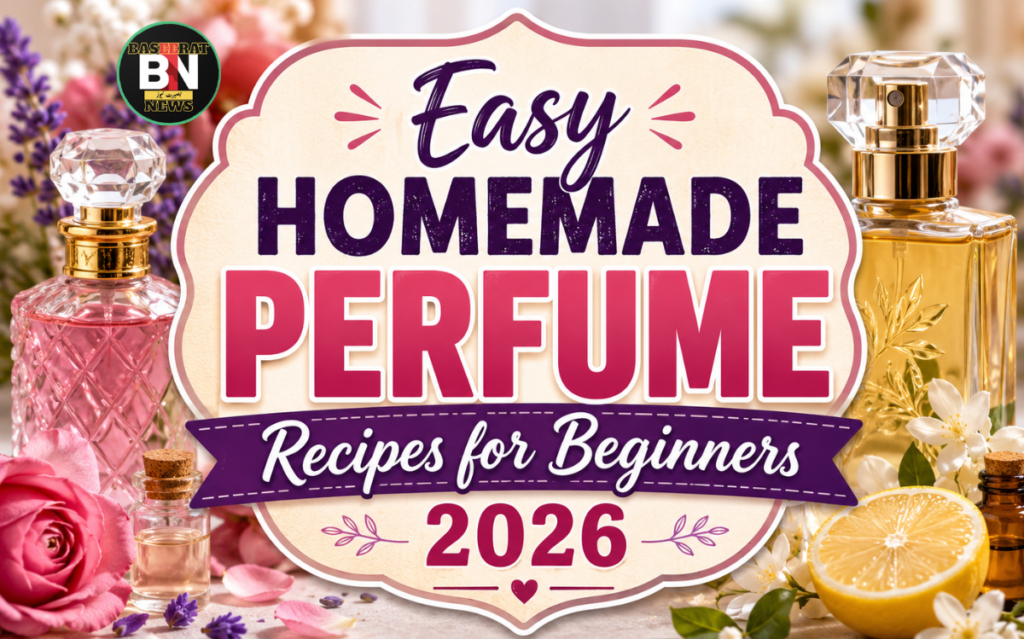
Homemade Perfume Recipes: Create Your Own Natural Signature Scent at Home
There’s something truly special about wearing a fragrance that’s uniquely yours. Instead of buying commercial perfumes filled with synthetic chemicals, many people are now choosing homemade perfume recipes made with natural essential oils and botanical ingredients. These DIY perfumes are customizable, budget-friendly, and free from many of the artificial additives commonly found in store-bought fragrances.
Whether you prefer floral, citrus, woody, or spicy notes, making your own perfume allows you to create a scent that matches your personality while giving you complete control over every ingredient.
Recent research has also increased interest in natural fragrances. Studies published in the last few years suggest that certain essential oils may positively influence mood, relaxation, and perceived stress when inhaled, although they should not be considered medical treatments. This growing interest has encouraged many people to explore natural perfume-making as both a creative hobby and a healthier alternative to synthetic fragrances.
Why Choose Homemade Perfume Recipes?
Making perfume at home isn’t just a fun DIY project. It offers several practical advantages.
Free From Unnecessary Chemicals
Many commercial perfumes contain synthetic fragrances, preservatives, and solvents. Homemade perfume recipes allow you to choose simple, natural ingredients.
Completely Customizable
You can adjust every aspect of your fragrance, including:
- Strength
- Sweetness
- Floral intensity
- Citrus freshness
- Woody depth
- Longevity
Every batch can be personalized to suit your taste.
Cost-Effective
Premium perfumes can be expensive. Purchasing essential oils may seem costly at first, but they can produce dozens of perfume blends, making homemade perfume more economical over time.
Eco-Friendly
DIY perfume reduces plastic waste and often uses reusable glass bottles, making it a more sustainable option.
Understanding Perfume Notes
A balanced perfume contains three layers known as fragrance notes.
Top Notes
These are the first scents you notice.
Examples include:
- Lemon
- Bergamot
- Grapefruit
- Sweet Orange
- Peppermint
Top notes typically last around 15–30 minutes.
Middle Notes
Also known as heart notes, these define the character of your perfume.
Popular middle notes include:
- Lavender
- Rose
- Jasmine
- Geranium
- Chamomile
These usually last for several hours.
Base Notes
Base notes provide depth and help the fragrance last longer.
Common choices include:
- Sandalwood
- Cedarwood
- Vanilla
- Patchouli
- Frankincense
These can linger on the skin for many hours.
Ingredients You’ll Need
Creating homemade perfume recipes doesn’t require complicated equipment.
Basic ingredients include:
- Essential oils
- Jojoba oil or sweet almond oil
- Fractionated coconut oil
- High-proof perfumer’s alcohol (or witch hazel for a lighter spray)
- Distilled water (optional)
- Dark glass perfume bottle
- Small funnel
- Dropper
- Measuring spoon
Using dark glass bottles helps protect essential oils from light, preserving their aroma for longer.
Best Essential Oils for Homemade Perfume
Floral
- Rose
- Jasmine
- Lavender
- Ylang-Ylang
- Neroli
Perfect for romantic and elegant fragrances.
Citrus
- Lemon
- Lime
- Bergamot
- Sweet Orange
- Mandarin
Ideal for fresh daytime scents.
Woody
- Sandalwood
- Cedarwood
- Vetiver
- Pine
Excellent for warm and sophisticated perfumes.
Herbal
- Rosemary
- Sage
- Basil
- Thyme
These create refreshing and energizing aromas.
Sweet and Warm
- Vanilla
- Benzoin
- Cinnamon Leaf
- Cardamom
Great for cozy winter perfumes.
Basic Homemade Perfume Recipe
This simple recipe is perfect for beginners.
Ingredients
- 2 tablespoons jojoba oil
- 25 drops of essential oils
- Glass perfume bottle
Blend
- 10 drops lavender
- 8 drops of sweet orange
- 7 drops sandalwood
Directions
- Add jojoba oil to the bottle.
- Add each essential oil.
- Shake gently.
- Store in a cool, dark place for 48 hours before use.
- For a richer scent, allow the blend to mature for 2–4 weeks.
Floral Homemade Perfume Recipe
This elegant perfume is perfect for everyday wear.
Ingredients
- 8 drops of rose
- 7 drops jasmine
- 5 drops lavender
- 5 drops sandalwood
- Carrier oil
The result is a soft, feminine fragrance with impressive staying power.
Citrus Fresh Perfume Recipe
Ideal for summer and daytime use.
Ingredients
- 10 drops bergamot
- 8 drops of sweet orange
- 5 drops grapefruit
- 5 drops cedarwood
This blend smells bright, energetic, and refreshing.
Woody Luxury Perfume Recipe
If you enjoy premium-style fragrances, try this blend.
Ingredients
- 10 drops sandalwood
- 8 drops cedarwood
- 5 drops patchouli
- 4 drops vanilla
- 3 drops of frankincense
This recipe creates a rich, earthy aroma suitable for evenings and special occasions.
Latest Research on Natural Fragrances
Growing scientific interest has explored how aromas influence human perception and well-being. Recent reviews published between 2023 and 2025 suggest that inhaling certain essential oils—such as lavender, bergamot, and sweet orange—may temporarily promote relaxation or improve mood for some people. However, researchers also emphasize that results vary, more high-quality studies are needed, and essential oils should not be viewed as treatments for medical or mental health conditions.
In addition, fragrance safety experts continue to recommend:
- Diluting essential oils before applying them to the skin.
- Perform a patch test before first use.
- Avoid ingestion of essential oils unless directed by a qualified healthcare professional.
- Following established safety guidelines, as some oils can cause skin irritation or increase sensitivity to sunlight.
How to Make a Spray Perfume at Home
A spray perfume feels light and refreshing, and is the closest DIY alternative to commercial fragrances.
Ingredients
- 2 tablespoons perfumer’s alcohol (or high-proof cosmetic alcohol)
- 1 tablespoon distilled water
- 30 drops of essential oil blend
- 1 teaspoon vegetable glycerin (optional, helps the scent last longer)
Instructions
- Pour the alcohol into a clean glass bottle.
- Add your chosen essential oils.
- Shake gently until combined.
- Add distilled water and glycerin.
- Close the bottle tightly and shake again.
- Let the perfume mature in a cool, dark place for 2–4 weeks, shaking every few days.
The aging process allows the fragrance notes to blend together, resulting in a smoother and more balanced scent.
Roll-On Homemade Perfume Recipe
Roll-on perfumes are convenient for daily use and easy to carry in your purse or pocket.
Ingredients
- 10 ml glass roll-on bottle
- 2 teaspoons jojoba oil
- 20–25 drops of essential oils
Blend Example
- 8 drops lavender
- 6 drops bergamot
- 5 drops cedarwood
- 4 drops vanilla
Simply add the oils to the bottle, top up with jojoba oil, and shake gently before each use.
Solid Homemade Perfume Recipe
Solid perfumes are travel-friendly and won’t spill.
Ingredients
- 1 tablespoon beeswax pellets
- 2 tablespoons jojoba oil
- 20 drops of essential oils
- Small metal tin or glass container
Method
- Melt the beeswax and jojoba oil together using a double boiler.
- Remove from the heat.
- Stir in the essential oils.
- Pour into a clean container.
- Allow it to cool completely before use.
Apply a small amount to your wrists, neck, or behind the ears.
How to Make Your Homemade Perfume Last Longer
One common complaint about DIY perfumes is that they fade more quickly than commercial fragrances. Fortunately, a few simple techniques can improve longevity.
Use Base Notes
Base notes evaporate more slowly than citrus or floral oils.
Good choices include:
- Sandalwood
- Patchouli
- Vetiver
- Cedarwood
- Frankincense
- Vanilla
Moisturize Your Skin
Perfume lasts longer on well-moisturized skin. Apply an unscented lotion or a small amount of jojoba oil before using your perfume.
Apply to Pulse Points
Focus on areas where the skin is naturally warmer:
- Wrists
- Neck
- Behind the ears
- Inner elbows
Store Properly
Heat, moisture, and direct sunlight can degrade fragrance oils over time.
Store perfumes in:
- Dark glass bottles
- Cool, dry cupboards
- Away from windows and bathrooms
Proper storage helps preserve the scent for several months.
Common Mistakes to Avoid
Even simple DIY perfume recipes can go wrong if basic principles are overlooked.
Using Too Many Essential Oils
Combining too many scents often creates a confusing fragrance. Beginners should stick to 3–5 essential oils in one blend.
Skipping the Aging Process
Freshly mixed perfumes rarely smell their best. Allowing the blend to mature for at least two weeks gives the notes time to harmonize.
Ignoring Safety
Some essential oils may irritate the skin or increase sun sensitivity. Always dilute them appropriately and perform a patch test before regular use.
Using Plastic Bottles
Essential oils can react with some plastics. Glass bottles—especially amber or cobalt blue—are the preferred choice.
Safety Tips
Natural ingredients are not automatically risk-free. Follow these precautions:
- Keep perfumes out of reach of children.
- Avoid contact with the eyes and mouth.
- Do not apply to broken or irritated skin.
- Some citrus oils can make skin more sensitive to sunlight, so avoid excessive sun exposure after application.
- If you are pregnant, breastfeeding, or have a medical condition, consult a healthcare professional before using certain essential oils.
Frequently Asked Questions
How long do homemade perfumes last?
Oil-based perfumes generally remain fresh for 6–12 months when stored correctly. Alcohol-based perfumes can often last even longer.
Which carrier oil is best?
Jojoba oil is widely recommended because it is stable, has very little scent, and closely resembles the skin’s natural oils.
Can I use fragrance oils instead of essential oils?
Yes, cosmetic-grade fragrance oils can be used for scent creation. However, if your goal is a more natural perfume, choose high-quality essential oils from reputable suppliers.
How many essential oils should I combine?
For beginners, using three to five complementary oils usually creates a balanced fragrance without becoming overwhelming.
Can homemade perfume stain clothing?
Oil-based perfumes may leave marks on delicate fabrics. Apply perfume directly to your skin and allow it to absorb before dressing.
Expert Tips for Better Homemade Perfumes
- Keep a notebook to record every blend and the number of drops used.
- Start with small batches so adjustments are easy.
- Label each bottle with the recipe and the date it was made.
- Test new fragrances over several hours, as the scent changes from top to middle to base notes.
- Buy pure, high-quality essential oils for the best fragrance and consistency.
- Experiment with seasonal blends, such as citrus and mint for summer or vanilla and cedarwood for winter.
Conclusion
Creating your own homemade perfume recipes is an enjoyable way to craft a fragrance that reflects your personal style while avoiding many synthetic ingredients found in commercial products. With just a few essential oils, a carrier oil or alcohol base, and a little patience, you can produce perfumes that are elegant, customizable, and cost-effective.
Understanding the balance of top, middle, and base notes is the key to a well-rounded scent. As recent research continues to explore the effects of natural aromas on mood and well-being, homemade perfumes remain a popular choice for people seeking a more personalized and mindful fragrance experience. While these natural blends are not a substitute for medical care, they can add a pleasant sensory element to your daily routine.
Whether you choose a fresh citrus blend, a romantic floral bouquet, or a rich woody fragrance, experimenting with DIY perfume recipes lets you create a signature scent that is uniquely yours.
Click the link below for more…..
Click the link below for more…..

Click the link below for more…..