Best Remedies for Seasonal Allergies: Natural Ways to Find Lasting Relief
Last spring, I remember stepping outside on what seemed like the perfect morning. The sun was shining, flowers were blooming, and a cool breeze filled the air. Within minutes, though, my eyes started watering. Then came the sneezing. By lunchtime, my nose was completely blocked, and I felt exhausted.
If you’ve ever experienced seasonal allergies, you probably know exactly what I’m talking about.
For many people, spring, summer, and even fall don’t just bring beautiful weather—they bring itchy eyes, runny noses, congestion, coughing, and endless sneezing. Some people even struggle to sleep because allergy symptoms become worse at night.
Have you ever found yourself avoiding outdoor activities because pollen levels were high?
Are you tired of carrying tissues everywhere you go?
Do you struggle with seasonal allergies year after year and wish there were natural ways to feel better?
The good news is that several science-backed remedies may help reduce seasonal allergy symptoms and improve your overall quality of life.
Seasonal allergies occur when the immune system reacts to harmless substances such as pollen, grass, weeds, or mold spores. While medications can help many people, natural remedies and healthy lifestyle habits can often provide additional support.
In this comprehensive guide, you’ll learn:
- What seasonal allergies are
- Why they occur
- The healing properties behind natural remedies
- 12 science-backed benefits of allergy-supporting remedies
- Home treatment methods
- DIY allergy relief recipes
- Common mistakes to avoid
- Safety tips
- Lifestyle habits that improve results
- Frequently asked questions
Let’s explore the best remedies for seasonal allergies and discover practical ways to breathe easier year-round.
What are the best remedies for Seasonal Allergies?
Definition
Seasonal allergy remedies refer to natural approaches, lifestyle adjustments, and supportive treatments that may help reduce symptoms caused by allergens such as pollen, grass, weeds, and mold.
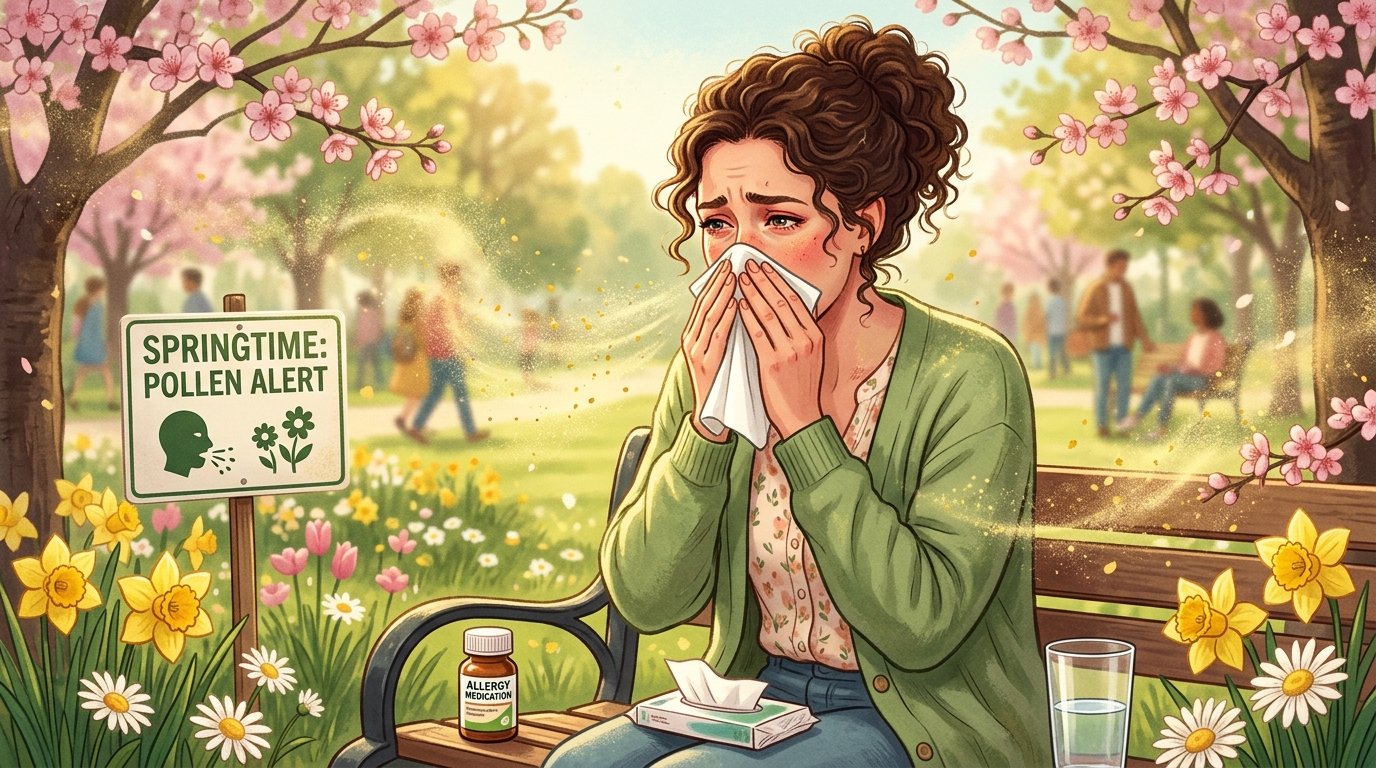
These remedies aim to support the body’s natural defenses while minimizing exposure to allergy triggers.
History and Traditional Use
Long before modern allergy medications existed, people relied on natural remedies to ease respiratory discomfort.
Traditional Chinese medicine used herbal preparations to support respiratory health.
Ayurvedic medicine emphasized dietary adjustments and herbal therapies.
Across Europe, local honey, herbal teas, and steam inhalation were commonly used to soothe seasonal symptoms.
Many of these practices continue today because they provide comfort and support alongside conventional treatments.
Why It Remains Popular Today
Interest in natural wellness has grown significantly in recent years.
People increasingly seek remedies that may complement medical treatments while supporting overall health.
Natural approaches such as saline nasal rinses, hydration, local honey, and anti-inflammatory foods remain popular because they’re simple, affordable, and easy to incorporate into daily life.
Nutritional and Healing Properties
Many natural allergy remedies contain compounds that may support immune function and help reduce inflammation.
Important Vitamins
Vitamin C is one of the most studied nutrients for allergy support.

Found in citrus fruits, strawberries, kiwi, and bell peppers, vitamin C acts as an antioxidant and may help reduce histamine levels in the body.
Vitamin D also plays an important role in immune regulation.
Minerals
Magnesium supports healthy respiratory function and muscle relaxation.
Zinc contributes to normal immune system activity.
These minerals can be obtained through nuts, seeds, legumes, and whole grains.
Antioxidants
Antioxidants help protect cells from oxidative stress.
Quercetin, found in apples and onions, has attracted attention for its potential role in modulating histamine release.
Natural Compounds
Certain herbal compounds found in butterbur, stinging nettle, and ginger have been studied for their anti-inflammatory effects.
These compounds may help support respiratory comfort during allergy season.
Top 12 Science-Backed Benefits
1. Supports Immune Balance
Natural remedies often help support a healthy immune response.
Rather than overstimulating immunity, many approaches focus on balance.
A balanced immune system may react less aggressively to environmental allergens.
2. Helps Reduce Sneezing
Saline nasal rinses can help remove pollen and allergens from the nasal passages.
Many people notice fewer sneezing episodes after regular use.
3. Supports Respiratory Health
Steam inhalation and proper hydration may help keep airways moist and comfortable.
This can make breathing easier during allergy season.
4. Helps Relieve Nasal Congestion
Warm fluids and saline irrigation can loosen mucus and reduce stuffiness.
Many people find immediate relief from blocked nasal passages.
5. May Reduce Inflammation
Anti-inflammatory foods such as ginger, turmeric, berries, and leafy greens may help support a healthier inflammatory response.
6. Supports Better Sleep
Allergy symptoms often interfere with sleep.
Reducing congestion and nasal irritation may help improve sleep quality.
7. Protects Eye Comfort
Cold compresses and proper hydration may help soothe itchy, watery eyes.
8. Encourages Healthy Sinuses
Keeping nasal passages clean may help reduce allergen buildup.
Healthy sinuses often mean fewer allergy flare-ups.
9. Supports Daily Energy Levels
Many allergy sufferers feel tired during flare-ups.
Better symptom management may help improve daily energy and productivity.
10. Promotes Overall Wellness
Many natural remedies provide additional nutrients and antioxidants that support general health.
11. May Reduce Dependence on Symptom Triggers
Learning to manage environmental exposure can help minimize symptom severity.
12. Improves Quality of Life
Perhaps the biggest benefit is being able to enjoy outdoor activities without constant discomfort.
How To Use These Remedies at Home
Method 1: Saline Nasal Rinse
Ingredients
- Sterile saline solution
- Neti pot or squeeze bottle
Steps
- Prepare sterile saline.
- Tilt your head over a sink.
- Gently rinse one nostril.
- Repeat on the other side.
Expected Results
Many people experience reduced congestion and easier breathing.
Method 2: Steam Inhalation
Ingredients
- Hot water
- Large bowl
- Towel
Steps
- Pour hot water into a bowl.
- Lean over carefully.
- Cover your head with a towel.
- Inhale steam for 5–10 minutes.
Expected Results
May temporarily relieve congestion.
Method 3: Allergy-Supportive Diet
Focus On
- Citrus fruits
- Berries
- Ginger
- Turmeric
- Leafy greens
Frequency
Consume daily for best results.
DIY Home Remedy Recipes
Remedy Recipe #1: Ginger Allergy Tea
Ingredients
- Fresh ginger
- Hot water
- Lemon
Instructions
Steep sliced ginger in hot water for 10 minutes. Add lemon and enjoy.
Benefits
Supports hydration and provides anti-inflammatory compounds.
Remedy Recipe #2: Turmeric Golden Milk
Ingredients
- Warm milk
- Turmeric
- Cinnamon
Instructions
Mix ingredients and warm gently.
Benefits
Provides antioxidant support.
Remedy Recipe #3: Vitamin C Smoothie
Ingredients
- Orange
- Kiwi
- Strawberries
- Water
Instructions
Blend until smooth.
Benefits
Provides vitamin C and hydration.
Common Mistakes People Make
Expecting Overnight Results
Natural remedies usually require consistency.
Ignoring Allergen Exposure
Remedies work best when combined with allergen avoidance.
Poor Indoor Air Quality
Dirty filters and dusty environments can worsen symptoms.
Skipping Hydration
Dehydration can aggravate congestion.
Using Unproven Remedies
Always choose evidence-based approaches.
Potential Side Effects and Safety Tips
Who Should Avoid Certain Remedies?
People with chronic medical conditions should consult healthcare professionals before using herbal supplements.
Possible Reactions
Some herbs may cause digestive upset or allergic reactions.
Safe Usage Guidelines
- Follow recommended amounts.
- Use clean equipment.
- Avoid contaminated water for nasal rinses.
When To Consult A Doctor
Seek medical care if you experience:
- Severe breathing difficulty
- Wheezing
- Facial swelling
- Persistent symptoms
Best Lifestyle Habits To Combine With Seasonal Allergy Remedies
Prioritize Sleep
Aim for 7–9 hours nightly.
Stay Hydrated
Water supports healthy mucus flow.
Exercise Regularly
Moderate exercise supports overall wellness.
Eat Nutrient-Dense Foods
Focus on fruits, vegetables, and whole foods.
Reduce Stress
Stress may worsen immune responses.
My Personal Experience
A few years ago, allergy season felt impossible.
I would wake up congested, spend the day sneezing, and feel exhausted by evening.
Eventually, I started combining simple habits: saline rinses, better hydration, cleaner indoor air, and a more nutrient-rich diet.
The changes weren’t immediate.
But after several weeks, I noticed fewer symptoms and better energy levels.
What surprised me most was how consistency mattered more than any single remedy.
No natural approach eliminated my allergies, but together they made a noticeable difference.
Frequently Asked Questions
Is this remedy safe to use daily?
Most lifestyle-based remedies, such as hydration and saline rinses, are generally safe when used properly.
How long before results appear?
Some methods offer immediate comfort, while others may take several weeks.
Can children use these remedies?
Many can, but parents should consult a pediatrician first.
Can pregnant women use them?
Always consult a healthcare professional before trying herbal remedies during pregnancy.
What’s the best time to use allergy remedies?
Morning and evening are often effective times.
Can natural remedies replace medicine?
No. They should complement, not replace, professional medical advice.
Do these remedies have side effects?
Some herbs may cause reactions in sensitive individuals.
How should remedies be stored?
Store ingredients according to package instructions.
Can they help immunity?
Many support healthy immune function.
Are they scientifically studied?
Several natural compounds have been researched for allergy support.
Can seniors use them?
Most can, with healthcare guidance.
How often should saline rinses be used?
Typically, once or twice daily.
What foods pair well with allergy remedies?
Fruits, vegetables, and anti-inflammatory foods.
Can supplements be combined?
Consult a healthcare provider first.
Who should avoid herbal remedies?
People with allergies to specific herbs.
Does local honey cure allergies?
Evidence remains mixed. It may help some people, but it isn’t considered a proven cure.
Can air purifiers help?
Yes, they may reduce indoor allergens.
Is exercise helpful?
Moderate exercise supports overall health.
Can allergies disappear permanently?
Some people experience changes over time, but allergies may persist.
Should I see an allergist?
If symptoms are severe or ongoing, professional evaluation is recommended.
Conclusion
When I think back to that spring morning filled with sneezing and watery eyes, I remember how frustrating seasonal allergies felt. At the time, it seemed like there was no escape from the constant symptoms.
What I’ve learned since then is that managing allergies often isn’t about finding one miracle cure. Instead, it’s about combining several practical habits that work together.
The best remedies for seasonal allergies—such as saline nasal rinses, hydration, anti-inflammatory foods, clean indoor air, and smart lifestyle choices—can provide meaningful support when used consistently.
Will they eliminate allergies overnight? Probably not.
But over time, these simple strategies may help reduce discomfort, improve breathing, support sleep, and make daily life more enjoyable.
Remember that everyone’s body responds differently. What works well for one person may not work the same for another. That’s why patience and consistency matter so much.
Sometimes the most effective wellness habits aren’t expensive or complicated. They’re the small daily actions that support your health season after season.
By combining evidence-based natural remedies with professional medical guidance when needed, you can take positive steps toward feeling more comfortable and confident throughout allergy season.
CLICK the link below for more……

CLICK the link below for more……

CLICK the link below for more……