
Natural Remedies for Diabetes Support: A Complete Guide to Better Blood Sugar Health
A few years ago, one of my closest relatives received a diagnosis of type 2 diabetes. Like many people, he felt overwhelmed. Suddenly, everyday choices—what to eat, when to exercise, even how much sleep to get—seemed more important than ever.
His doctor prescribed medication and explained the importance of lifestyle changes. But he also wondered whether there were natural ways to support his health alongside medical treatment.
That’s a question millions of people ask every day.
Have you ever worried about your blood sugar levels?
Are you looking for practical ways to support diabetes management naturally?
Do you want simple habits that may help improve your overall health and energy?
If so, you’re not alone.
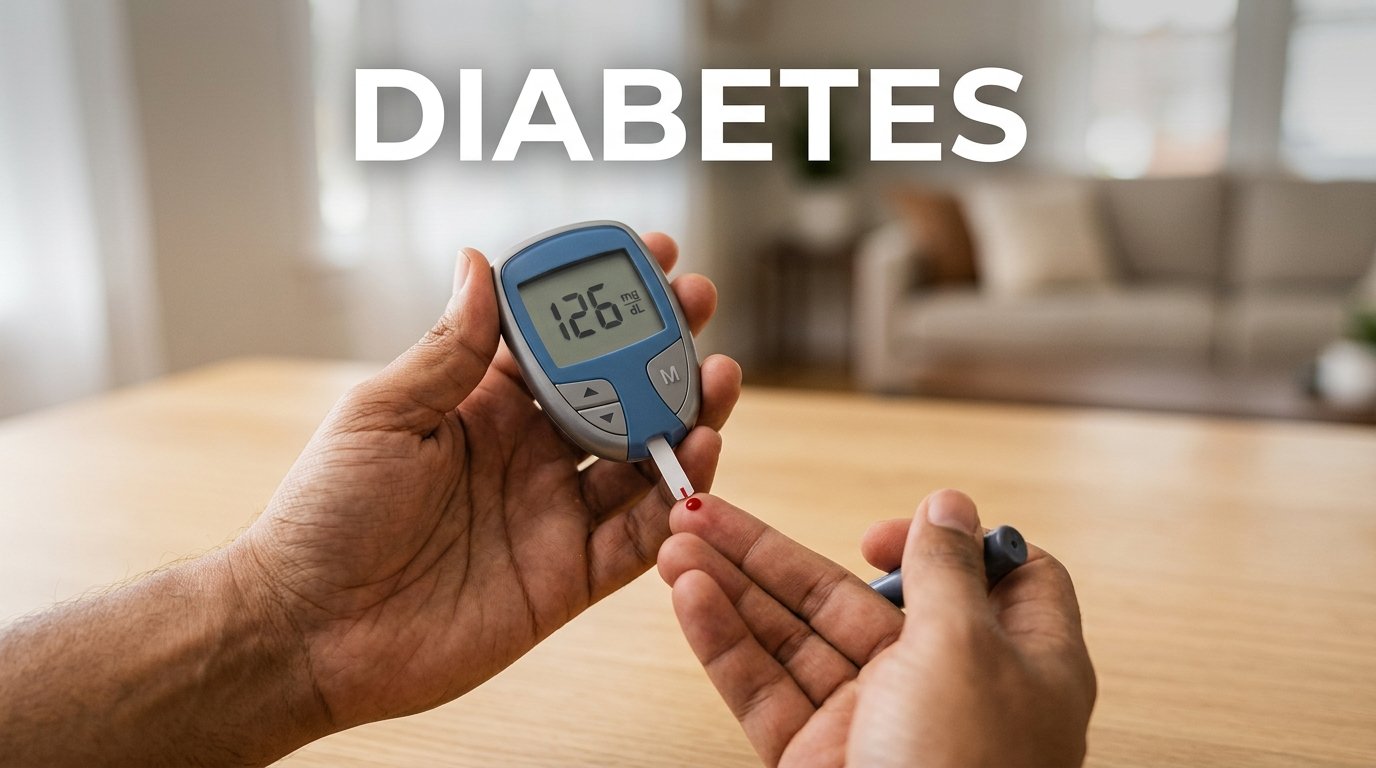
Natural remedies for diabetes support have become increasingly popular because people want a more holistic approach to health. While no natural remedy can cure diabetes, research shows that certain foods, herbs, lifestyle habits, and nutritional strategies may help support healthy blood sugar levels when combined with medical care.
The key phrase here is support.
Natural approaches work best when they’re part of a complete plan that includes professional medical guidance, healthy eating, regular movement, stress management, and prescribed medications when needed.
In this guide, you’ll learn:
- What natural remedies for diabetes support really are
- The science behind popular remedies
- Nutritional and healing properties
- Top research-backed benefits
- Home remedies and recipes
- Safety considerations
- Lifestyle habits that enhance results
- Frequently asked questions
What are natural remedies for Diabetes Support?
Natural remedies for diabetes support refer to foods, herbs, supplements, and lifestyle practices that may help maintain healthy blood sugar levels and improve overall metabolic health.
These remedies aren’t replacements for prescribed treatments. Instead, they’re supportive tools that can complement a doctor’s recommendations.
Examples include:
- Cinnamon
- Fenugreek
- Fiber-rich foods
- Physical activity
- Stress reduction
- Healthy sleep habits
History and Traditional Use
Long before modern medicine existed, many cultures used plants and dietary practices to support metabolic health.
Traditional Chinese Medicine
Ancient practitioners used herbs and dietary therapy to address symptoms associated with elevated blood sugar.
Ayurveda
Traditional Indian medicine often recommended fenugreek, bitter melon, turmeric, and physical activity for metabolic balance.
Middle Eastern Traditions
Black seed, cinnamon, and various herbal teas were commonly used to support wellness and digestion.
Although traditional use doesn’t automatically prove effectiveness, modern researchers continue studying many of these remedies.
Why It Remains Popular Today
People are increasingly interested in preventive health.
Many individuals want to:
- Improve blood sugar control naturally
- Support energy levels
- Reduce health risks
- Build healthier habits
The growing body of scientific research has also increased interest in evidence-based natural remedies.
Nutritional and Healing Properties
Important Vitamins
Many diabetes-supportive foods contain:
Vitamin C
Supports immune health and helps fight oxidative stress.
Vitamin D
Research suggests vitamin D may play a role in insulin function and glucose metabolism.
B Vitamins
Help convert food into energy and support nerve health.
Minerals
Magnesium
Magnesium is involved in hundreds of biochemical reactions, including blood sugar regulation.
Chromium
May help insulin function more effectively.
Zinc
Supports immune function and metabolic processes.
Antioxidants
Oxidative stress contributes to diabetes complications.
Antioxidants found in berries, vegetables, green tea, and spices help protect cells from damage.
Natural Compounds
Several plant compounds have attracted scientific attention:
- Polyphenols
- Flavonoids
- Curcumin
- Catechins
- Alkaloids
These compounds may support insulin sensitivity and reduce inflammation.
Top 15 Science-Backed Benefits
1. Supports Healthy Blood Sugar Levels
Certain foods and herbs may help slow glucose absorption and improve insulin sensitivity.
For example, fiber-rich foods help prevent rapid blood sugar spikes after meals.
2. Improves Insulin Sensitivity
Regular exercise and healthy eating patterns can help cells respond more effectively to insulin.
Better insulin sensitivity often means improved glucose control.
3. Helps Reduce Inflammation
Chronic inflammation is associated with metabolic disorders.
Turmeric, fatty fish, nuts, and vegetables contain anti-inflammatory compounds.
4. Supports Heart Health
People with diabetes have a higher risk of heart disease.
Natural remedies often encourage healthier cholesterol levels, blood pressure control, and circulation.
5. May Support Healthy Weight Management
Maintaining a healthy weight can improve blood sugar regulation.
Fiber-rich foods increase fullness and reduce overeating.
6. Promotes Better Digestion
Healthy digestion helps the body process nutrients efficiently.
Vegetables, fruits, legumes, and probiotics support gut health.
7. Supports Energy Levels
Stable blood sugar often means more consistent energy throughout the day.
Many people notice fewer energy crashes after improving their diet.
8. May Reduce Sugar Cravings
Balanced meals rich in protein and fiber can help reduce cravings.
This makes healthy eating easier over time.
9. Supports Kidney Health
Good blood sugar management helps protect kidney function.
Hydration and healthy nutrition contribute to overall kidney wellness.
10. Helps Protect Nerve Health
Nerve damage is a common diabetes complication.
B vitamins, healthy eating, and blood sugar control support nerve function.
11. Supports Eye Health
Healthy nutrition provides antioxidants that help protect vision.
Leafy greens and colorful vegetables are especially beneficial.
12. Encourages Better Sleep
Poor sleep can worsen blood sugar control.
Natural lifestyle approaches often include sleep optimization.
13. Helps Manage Stress
Stress hormones can raise blood sugar levels.
Meditation, breathing exercises, and physical activity may help.
14. Supports Overall Metabolic Health
Healthy habits improve multiple systems throughout the body.
Benefits often extend beyond blood sugar management.
15. Improves Long-Term Wellness
Consistent healthy choices create lasting benefits.
Small improvements repeated daily can produce meaningful results over time.
How To Use These Remedies at Home
Method 1: Cinnamon Support Drink
Ingredients
- 1 cup warm water
- ½ teaspoon cinnamon
Steps
- Mix cinnamon into warm water.
- Stir thoroughly.
- Drink after breakfast.
Expected Results
May support healthy blood sugar management when combined with a healthy lifestyle.
Method 2: Fenugreek Water
Ingredients
- 1 tablespoon fenugreek seeds
- 1 glass of water
Steps
- Soak overnight.
- Strain in the morning.
- Drink before breakfast.
Frequency
3–5 times weekly.
Method 3: Fiber-Rich Smoothie
Ingredients
- Spinach
- Chia seeds
- Berries
- Unsweetened yogurt
Steps
Blend all ingredients and enjoy as breakfast.
Benefits
Supports satiety and blood sugar stability.
DIY Home Remedy Recipes
Remedy Recipe #1: Cinnamon Oatmeal Bowl
Ingredients
- Oats
- Cinnamon
- Walnuts
- Berries
Instructions
Cook oats and top with remaining ingredients.
Benefits
High fiber content supports healthy glucose management.
Remedy Recipe #2: Turmeric Wellness Tea
Ingredients
- Warm water
- Turmeric
- Ginger
- Lemon
Instructions
Mix and steep for 5 minutes.
Benefits
Provides antioxidants and anti-inflammatory compounds.
Remedy Recipe #3: Green Blood Sugar Support Salad
Ingredients
- Spinach
- Cucumber
- Avocado
- Olive oil
Instructions
Combine ingredients and serve fresh.
Benefits
Provides healthy fats and fiber.
Common Mistakes People Make
Expecting Overnight Results
Natural approaches require patience and consistency.
Ignoring Medical Advice
Natural remedies should complement—not replace—professional treatment.
Using Excessive Amounts
More isn’t always better.
Overuse may cause unwanted side effects.
Skipping Exercise
Diet alone isn’t enough.
Physical activity remains one of the most effective diabetes-support strategies.
Choosing Processed “Health” Foods
Many products marketed as healthy contain hidden sugars.
Always read labels carefully.
Potential Side Effects and Safety Tips
Who Should Avoid Certain Remedies?
People who:
- Take blood sugar medications
- Are pregnant
- Have kidney disease
- Have liver disorders
Should consult a healthcare provider first.
Possible Reactions
Some herbs may cause:
- Digestive upset
- Allergic reactions
- Blood sugar drops
- Medication interactions
Safe Usage Guidelines
Start Slowly
Introduce one remedy at a time.
Monitor Blood Sugar
Track changes carefully.
Choose Quality Products
Use reputable brands and fresh ingredients.
Maintain Medical Care
Continue prescribed treatment plans.
When To Consult A Doctor
Seek medical guidance if you experience:
- Unusual blood sugar changes
- Dizziness
- Severe fatigue
- Medication concerns
Professional supervision is especially important for diabetes management.
Best Lifestyle Habits To Combine With These Remedies
Prioritize Sleep
Aim for 7–9 hours nightly.
Stay Hydrated
Water supports overall metabolic health.
Exercise Regularly
Walking, cycling, and strength training can improve insulin sensitivity.
Manage Stress
Try:
- Meditation
- Deep breathing
- Prayer
- Journaling
Eat Balanced Meals
Focus on:
- Vegetables
- Lean proteins
- Healthy fats
- Whole grains
My Personal Experience
Watching my relative adopt healthier habits taught me an important lesson.
There wasn’t one magical food or supplement that changed everything.
Instead, success came from consistency.
He started walking every evening, improved his sleep schedule, ate more vegetables, reduced sugary drinks, and occasionally included traditional remedies like cinnamon and fenugreek.
After several months, he felt more energetic and more in control of his health.
What stood out most wasn’t perfection—it was persistence.
Some weeks were better than others.
But those small daily efforts added up.
That’s often how lasting health improvements happen.
Frequently Asked Questions (20 FAQs)
Is this remedy safe to use daily?
Most food-based remedies are generally safe in moderation, but individual needs vary.
How long before results appear?
Many people notice changes within weeks, though results differ.
Can children use it?
Consult a pediatric healthcare provider first.
Can pregnant women use it?
Always seek medical guidance before using herbs or supplements.
What’s the best time to take it?
Many people use remedies with meals or in the morning.
Can it replace medicine?
No. Natural remedies should not replace prescribed medications.
Does it have side effects?
Some remedies may cause digestive discomfort or interactions.
How should it be stored?
Store herbs and supplements in cool, dry places.
Can it help immunity?
Many nutrient-rich foods support immune function.
Is it scientifically studied?
Several natural remedies have been studied, though evidence varies.
Can seniors use it?
Often yes, but medical supervision is recommended.
How often should it be used?
Frequency depends on the specific remedy.
What foods pair well with it?
Vegetables, lean proteins, healthy fats, and whole grains.
Can I combine it with supplements?
Consult your healthcare provider first.
Who should avoid it?
Individuals with allergies or medication concerns.
Can exercise improve results?
Yes, exercise is one of the most effective supportive strategies.
Is cinnamon helpful?
Research suggests it may support healthy blood sugar management.
Does hydration matter?
Absolutely. Proper hydration supports overall wellness.
Can stress affect blood sugar?
Yes. Stress hormones may increase glucose levels.
What is the most important habit?
Consistency with healthy lifestyle practices.
Conclusion
I still remember that conversation with my relative after his diabetes diagnosis. He wasn’t searching for a miracle cure. He simply wanted practical ways to support his health and feel better day by day.
That’s what natural remedies for diabetes support are really about.
They’re not shortcuts. They’re not replacements for medical treatment. Instead, they’re tools that can help strengthen the foundation of a healthy lifestyle.
Research continues to show that nutritious foods, regular physical activity, quality sleep, stress management, and certain traditional remedies may support better blood sugar control and overall wellness. The biggest benefits often come when these habits work together rather than relying on a single remedy.
If there’s one lesson worth remembering, it’s this: small changes matter.
A healthier breakfast, a daily walk, an extra glass of water, a consistent sleep schedule—these actions may seem simple, but over months and years, they can make a meaningful difference.

The journey to better health rarely happens overnight. Progress comes from steady effort, realistic expectations, and staying committed even when results aren’t immediate.
Support can be a valuable ally on that journey. Combined with medical guidance and healthy living, they may help you feel stronger, more energized, and more confident in caring for your long-term health.
CLICK the link below for more……

CLICK the link below for more……

CLICK the link below for more……